-
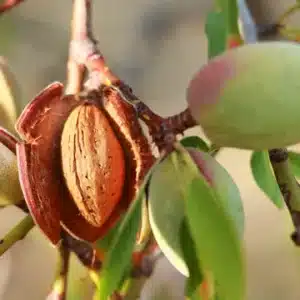
Almond
Price range: $25.00 through $45.00 -
American Persimmon
Price range: $20.00 through $65.00 -
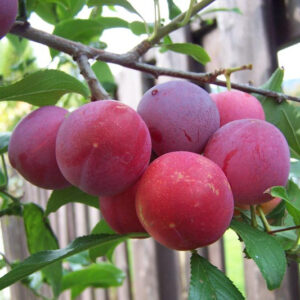
American Plum
$25.00 -
Apples
$35.00 -
Apricot
$23.00 -
Arctic Kiwi
$25.00 -
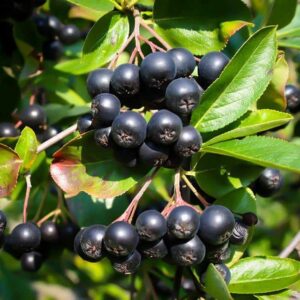
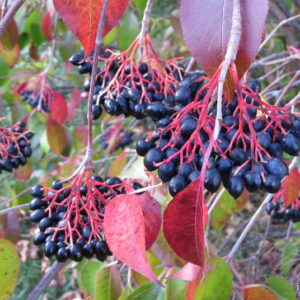
Aronia
Price range: $20.00 through $30.00 -
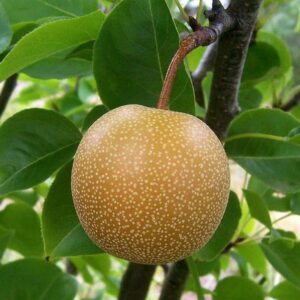
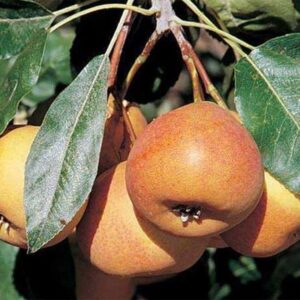
Asian Pear
$37.00 -
Balloon Flower
$33.00 -
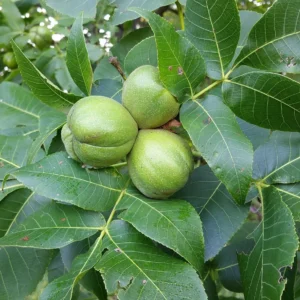
Black Walnut
$18.00 -
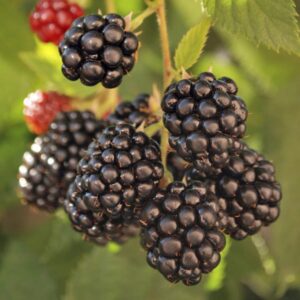
Blackberry
$21.00 -
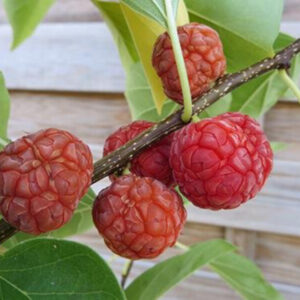
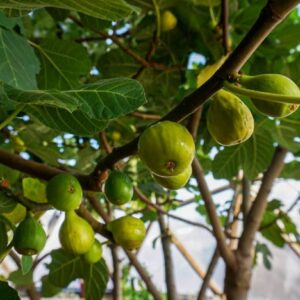
Che
$45.00 -
Chestnut
Price range: $20.00 through $80.00 -
Chinquapin Chestnut
Price range: $24.00 through $30.00 -
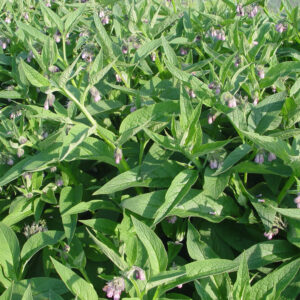
Comfrey (3 divisions)
$33.00 -
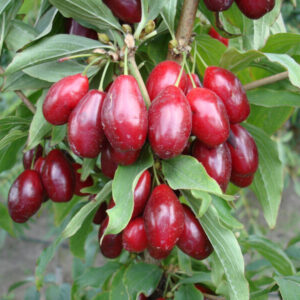
Cornelian Cherry
Price range: $20.00 through $26.00 -
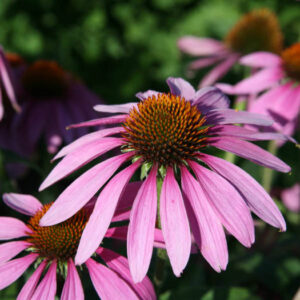
Echinacea (3 plants)
$29.00 -
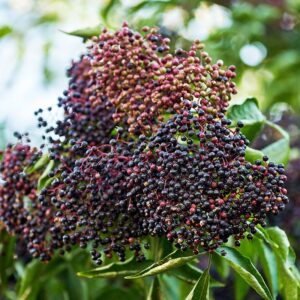
Elderberry
$21.00 -
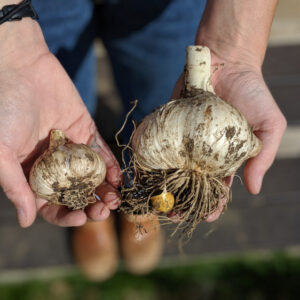
Elephant Garlic
$18.00 -
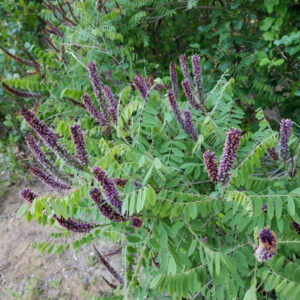
False Indigo
$35.00 -
Figs
$21.00 -
Ginkgo
Price range: $21.00 through $38.00 -
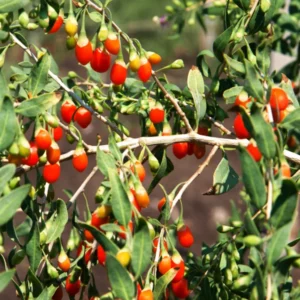
Goji Berry
$22.00 -
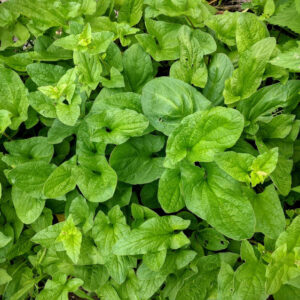
Good King Henry (3 plants)
$33.00 -
Goumi
Price range: $25.00 through $30.00 -
Grapes
$23.00 -
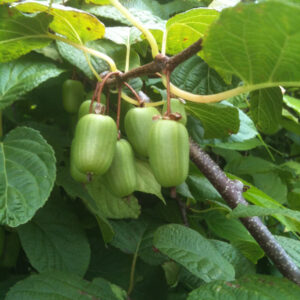
Hardy Kiwi
$25.00 -
Hazelnut
Price range: $26.00 through $75.00 -
Hickories (Grafted)
Price range: $60.00 through $80.00 -
Hickory
$21.00 -
Honey Locust (thornless)
$21.00 -
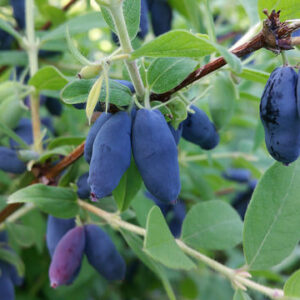
Honeyberry
Price range: $24.00 through $29.00 -
Juneberry
$25.00 -
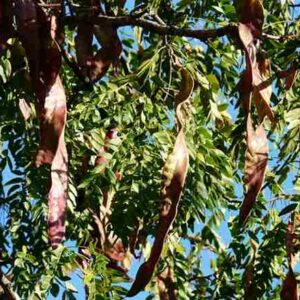
Kentucky Coffeetree
$19.00 -
Korean Chestnut
Price range: $25.00 through $45.00 -
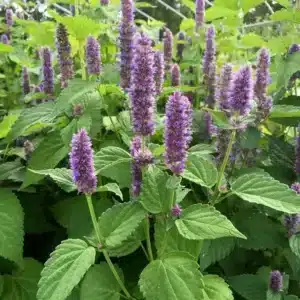
Korean Mint
$33.00 -
Marshmallow
$33.00 -
Maximilian Sunflower
$33.00 -
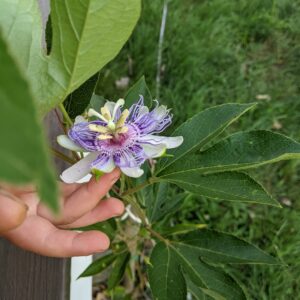
Maypop
$21.00 -
Medlar
$38.00 -
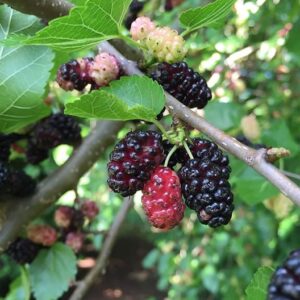
Mulberry
Price range: $21.00 through $35.00 -
Musk Mallow
$33.00 -
Nannyberry
$24.00 -
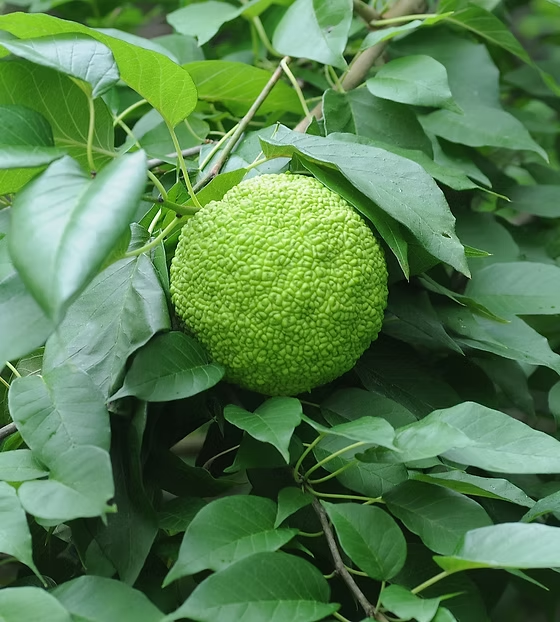
Osage Orange
$22.00 -
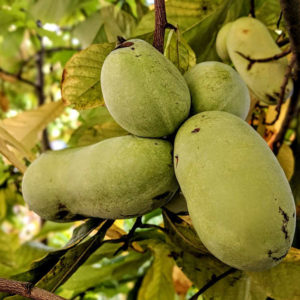
Paw Paw
$25.00 -
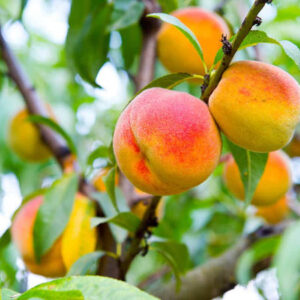
Peaches
Price range: $23.00 through $37.00 -
Pears
$35.00 -
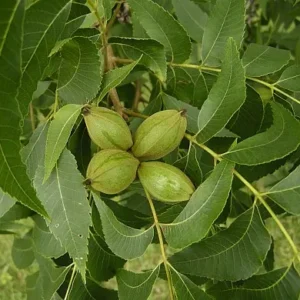
Pecan
Price range: $19.00 through $42.00 -
Plums
$37.00 -
Quince
$35.00 -
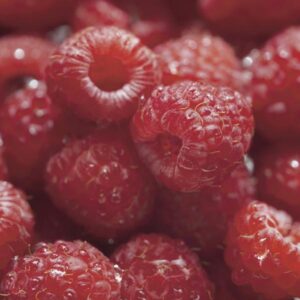
Raspberry
$32.00 -
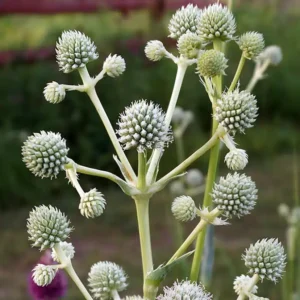
Rattlesnake Master
$33.00 -
Rose Mallow
$33.00 -
Rugosa Rose
$22.00 -
Schisandra
Price range: $23.00 through $31.00 -
Senna
$19.00 -
Shipova
$42.00 -
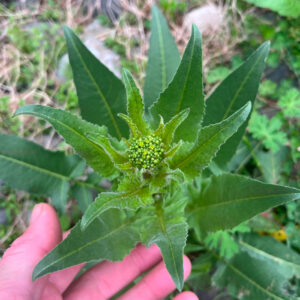
Sochan (3 plants)
$33.00 -
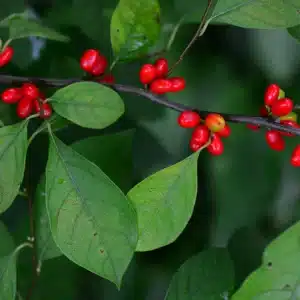
Spicebush
$23.00 -
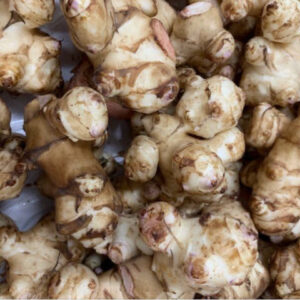
Sunchoke
$25.00 -
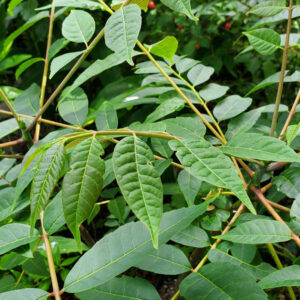
Toon Tree
$22.00 -
Turkish Rocket (3 Plants)
$33.00 -
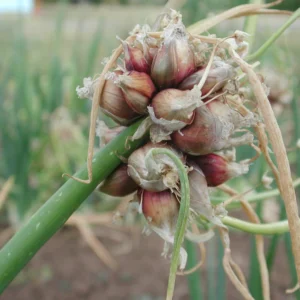
Walking Onion
$21.00 -
Willows
$19.00

Humble Abode
A Permaculture Nursery