

Apple trees are a delightful addition to any home orchard, but ensuring they produce fruit requires understanding their pollination needs. In this guide, we’ll explore apple pollination, address key questions, and provide practical advice for a successful harvest. We sell many of the following varieties of apples here.
What is an Apple Pollination Chart?
An apple pollination chart is a tool that helps orchardists and gardeners determine which apple tree varieties can cross-pollinate. Apple trees are mostly self-incompatible, meaning they require pollen from a different variety to produce fruit. However, some are partially self-fertile—they’ll produce some fruit, but will still benefit from a pollinators. Others are triploid and are pollen-sterile, meaning they cannot be used as pollinators for other apples. The chart identifies compatible varieties, bloom times, and whether a tree is diploid or triploid.
| Apple Variety | Pollination Characteristic |
|---|---|
| Arkansas Black | Triploid (pollen-sterile); requires two other compatible varieties for pollination. |
| Ashmead’s Kernel | Triploid (pollen-sterile); needs two other compatible varieties for pollination. |
| Baldwin | Triploid (pollen-sterile); requires two other compatible varieties for pollination. |
| Belle de Boskoop | Triploid (pollen-sterile); needs two other compatible varieties for pollination. |
| Blue Pearmain | Diploid; acts as a good pollinator for other apple varieties. |
| Cortland | Partially self-fertile; benefits from cross-pollination with other varieties for better yields. |
| Enterprise | Diploid; serves as a good pollinator for other apple varieties. |
| Empire | Diploid; acts as a good pollinator for other apple varieties. |
| Esopus Spitzenburg | Diploid; requires cross-pollination with other apple varieties to produce fruit. |
| Fuji | Partially self-fertile; benefits from cross-pollination with other varieties for better yields. |
| Gala | Partially self-fertile; benefits from cross-pollination with other varieties for better yields. |
| Golden Delicious | Partially self-fertile; benefits from cross-pollination with other varieties for better yields. |
| Golden Russet | Diploid; serves as a good pollinator for other apple varieties. |
| Granny Smith | Partially self-fertile; benefits from cross-pollination with other varieties for better yields. |
| Gravenstein | Triploid (pollen-sterile); requires two other compatible varieties for effective pollination. |
| Honeycrisp | Diploid; requires cross-pollination with other apple varieties to produce fruit. |
| Jonathan | Partially self-fertile; benefits from cross-pollination with other varieties for better yields. |
| Jonafree | Diploid; requires cross-pollination with other apple varieties to produce fruit. |
| Keepsake | Diploid; requires cross-pollination with other apple varieties to produce fruit. |
| Liberty | Partially self-fertile; benefits from cross-pollination with other varieties for better yields. |
| McIntosh | Diploid; acts as a good pollinator for other apple varieties. |
| Northern Spy | Diploid; serves as a good pollinator for other apple varieties. |
| Rhode Island Greening | Diploid; requires cross-pollination with other apple varieties to produce fruit. |
| Roxbury Russet | Diploid; serves as a good pollinator for other apple varieties. |
| Spigold | Triploid (pollen-sterile); needs two other compatible varieties for effective pollination. |
| Sweet Sixteen | Diploid; requires cross-pollination with other apple varieties to produce fruit. |
| Westfield Seek-No-Further | Diploid; requires cross-pollination with other apple varieties to produce fruit. |
| William’s Pride | Diploid; serves as a good pollinator for other apple varieties. |
| Winesap | Triploid (pollen-sterile); requires two other compatible varieties for pollination. |
| Yellow Bellflower | Diploid; requires cross-pollination with other apple varieties to produce fruit. |
| Zestar | Diploid; serves as a good pollinator for other apple varieties. |
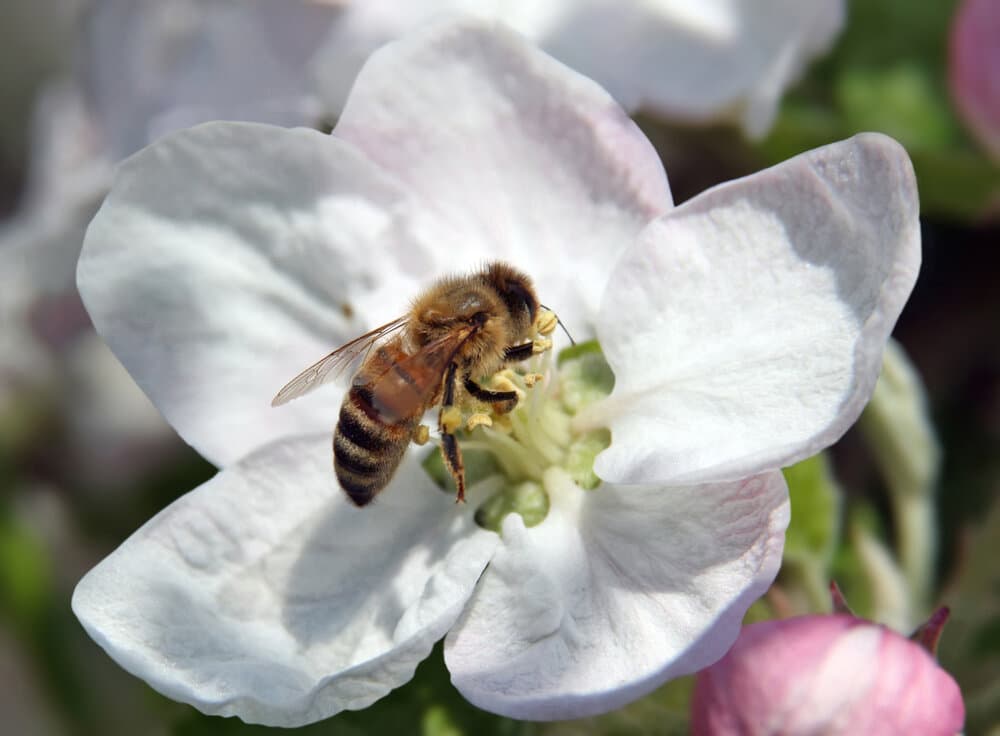
Common Questions About Apple Pollination
1. Is Liberty Apple Triploid?
Liberty apple is not triploid; it is diploid. This means it can act as both a pollen donor and recipient, making it a reliable choice for cross-pollination in your orchard.
2. What is the Easiest Apple Tree to Grow?
The easiest apple trees to grow are disease-resistant varieties like Liberty and Williams’ Pride. These trees require less maintenance and thrive in diverse conditions.
3. How Close Do Apple Trees Need to Be to Pollinate?
Apple trees should be planted within 50-100 feet of each other to ensure effective pollination. Bees and other pollinators can easily transfer pollen within this range.
4. Is There an Apple Tree That Self-Pollinates?
Certain apple trees, like “self-fertile” varieties, can produce fruit on their own, but they yield better harvests with cross-pollination. Examples include Golden Delicious and some crabapple varieties.
5. Can I Have Just One Apple Tree?
While some self-pollinating trees exist, most apple trees need a companion variety for optimal fruit production. Planting a second tree or a nearby crabapple tree can significantly improve yields.
6. What is the Best Pollinator for Honeycrisp Apples?
Honeycrisp apples are diploid and benefit from pollinators like Liberty, Golden Delicious, or Snowdrift crabapple.
7. What Apple Does Not Need Pollinators?
Self-pollinating apples, such as Golden Delicious, can produce fruit without external pollinators, though their yields are higher with cross-pollination.
8. What is the June Drop in Apples?
The June drop refers to a natural thinning process where apple trees shed excess fruitlets to focus energy on developing healthy, mature apples.
9. Which Apple Tree is the Best Pollinator?
Crabapple trees are exceptional pollinators due to their abundant blooms and compatibility with many apple varieties.
10. Can a Pear Tree Pollinate an Apple Tree?
No, apple and pear trees cannot cross-pollinate. They are different species and require compatible varieties within their own species.
11. Which Apple Tree is Best for a Small Garden?
Dwarf varieties like Liberty or Williams’ Pride are excellent for small spaces. They are compact yet produce a generous harvest.
12. What is the Best Companion Plant for Apple Trees?
Companion plants like comfrey, false indigo, sunchoke, and rose mallow, can attract pollinators, repel pests, and improve soil health around apple trees.
13. What Month Do Apple Trees Bloom?
Apple trees typically bloom in April to May, depending on the variety and local climate.
14. What Not to Plant Apple Trees Near?
Avoid planting apple trees near black walnut trees, as their roots release juglone, a substance toxic to apples.
15. Do Apple Trees Like Full Sun or Shade?
Apple trees thrive in full sun, requiring at least 6-8 hours of direct sunlight daily for optimal growth and fruit production.
16. What is an Easy Apple Tree to Grow?
Disease-resistant varieties like Liberty and Keepsake are excellent for beginners due to their low maintenance needs.
Start Your Home Orchard Today
Whether you’re a seasoned orchardist or a first-time grower, understanding apple pollination is key to a fruitful harvest. Browse our wide selection of bare root apple trees to find the perfect match for your garden. With proper planning and care, your orchard will thrive for years to come.
