
Introduction
Pruning raspberry plants is a vital practice for maintaining their health, ensuring bountiful fruit production, and keeping your garden productive year after year. Proper pruning improves airflow, reduces disease risk, and encourages the growth of strong, productive canes.
At our nursery, we specialize in bare root plants that are ideal for edible landscaping and sustainable gardening. Whether you’re building a home orchard, starting a food forest, or simply growing your favorite berries, pruning plays a critical role in achieving long-term success.
1. Why Pruning Raspberries Is Essential
Failing to prune your raspberry plants can lead to several issues that compromise their health and productivity:
- Overcrowded growth: Without pruning, raspberry canes quickly become tangled and overcrowded. This limits airflow, creating a damp environment that encourages fungal diseases. It’s also just kind of messy, harder to harvest, and doesn’t look as nice.
- Increased risk of pests and diseases: Overgrown plants are more susceptible to pests like aphids and diseases like cane blight and powdery mildew. It’s usually not a huge deal but if you want to be extra careful and give your plants the best care possible, it’s a good idea.
- Reduced fruit quality and yield: Neglected canes produce smaller, lower-quality berries as the plant struggles to allocate resources efficiently.
Regular pruning ensures that your raspberry plants remain healthy, manageable, and capable of producing high-quality fruit year after year. It also integrates seamlessly into a sustainable gardening approach, promoting balance and productivity in your food forest plants.
2. Identifying Your Raspberry Type
Understanding the type of raspberries you are growing is key to proper pruning and maintenance.
How to Know if Raspberries Are Summer or Autumn Fruiting
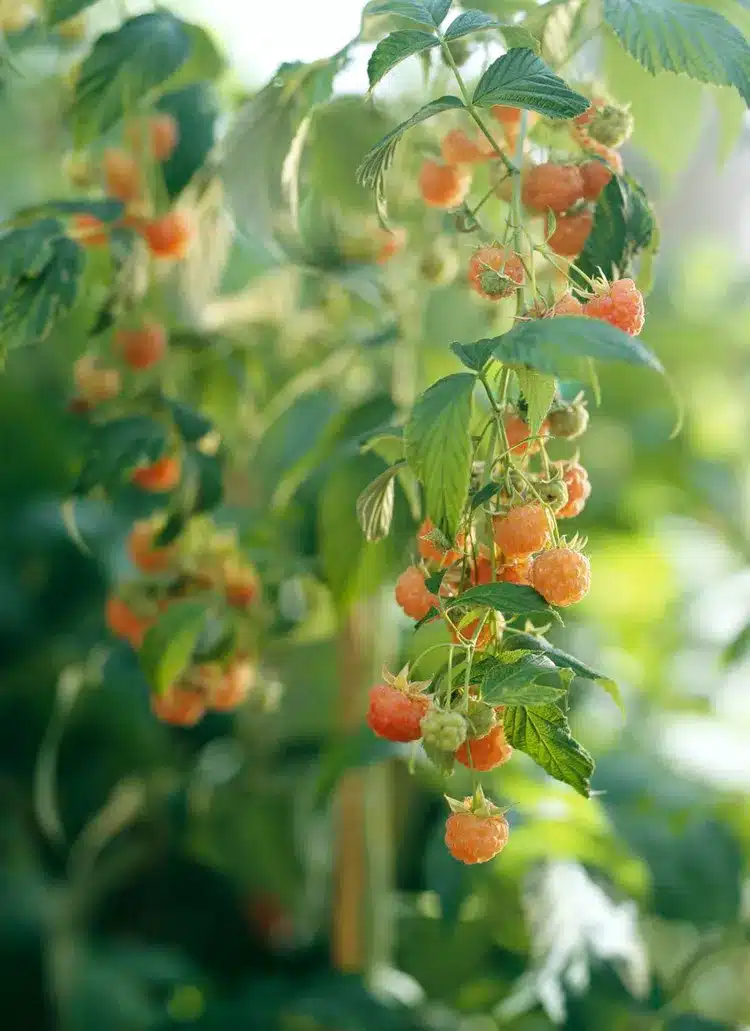
- Summer-bearing raspberries: These varieties produce fruit once a year on canes that grew the previous year (floricanes). They usually bear fruit in early to mid-summer. When pruning these type of raspberries, it’s important to keep both first and second year canes. Once canes fruit in their second year, they die and you can (and should) prune them.
- Autumn-bearing raspberries: Also known as everbearing, these varieties produce fruit on second-year canes in the summer and then produce again on first-year canes in the fall. An example of everbearing varieties are ‘Anne’ and ‘Polana’. If you allow the plant to have both first and second year canes, you will get 2 harvests, and if you simply mow the plants down to the ground in the fall you will get a single harvest in the fall.
3. Proper Raspberry Maintenance
Healthy raspberry plants require ongoing care beyond pruning.
General Maintenance Tips for Raspberry Bushes
- Watering: Raspberries need consistent moisture but should not sit in waterlogged soil. Water deeply during dry periods.
- Mulching: Apply a thick layer of organic mulch to retain moisture, suppress weeds, and regulate soil temperature.
- Fertilizing: Use an organic, nitrogen-rich fertilizer in early spring to encourage healthy cane growth.
Supporting Canes with a Trellis System
- A trellis keeps canes upright, prevents tangling, and improves air circulation. Trellises should be about 4-6 feet tall to accommodate mature plants.
How to Tell Which Canes to Prune
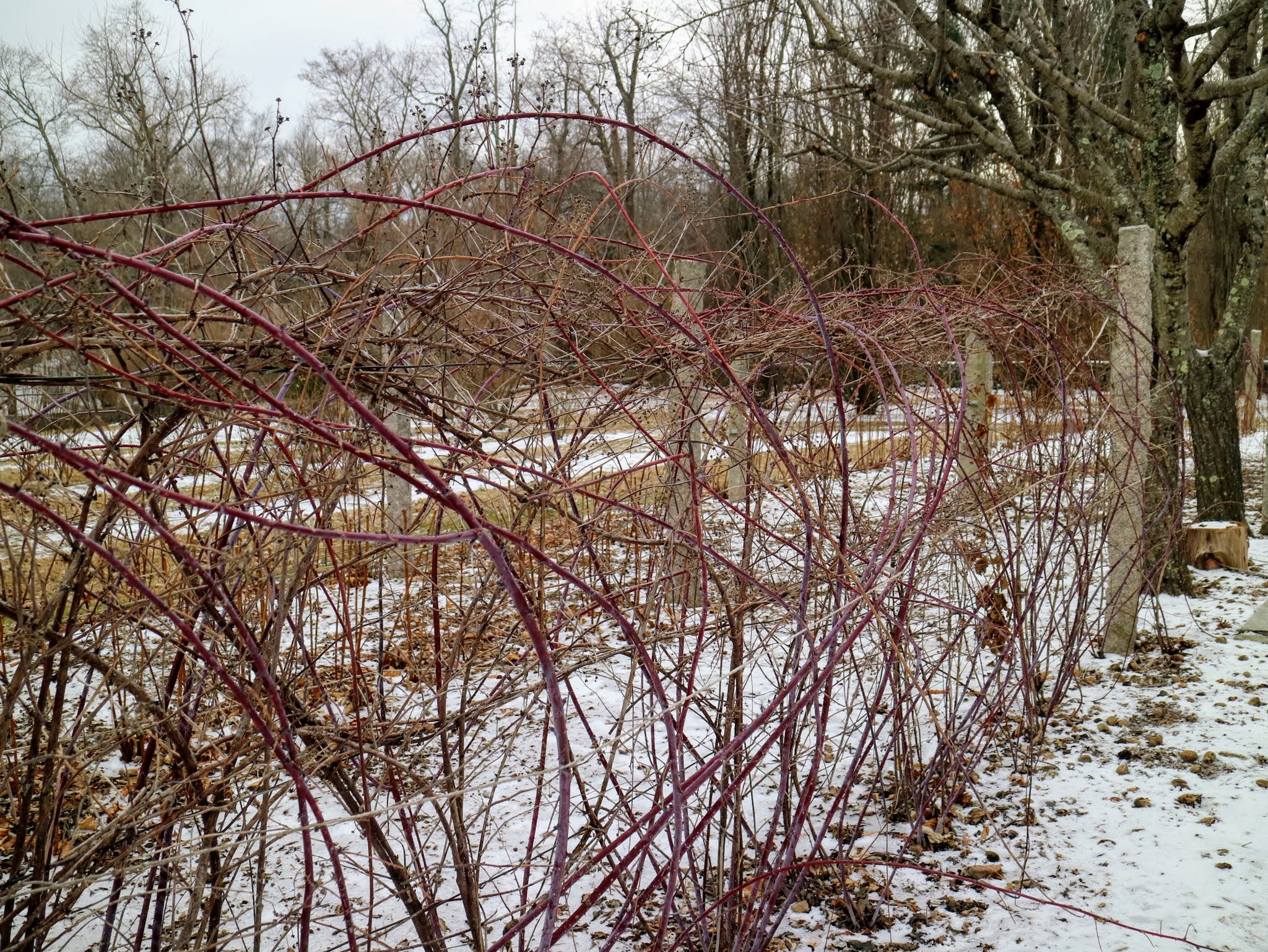
- Summer-bearing raspberries: Prune canes that fruited the previous season (floricanes), as they will not produce again.
- Autumn-bearing raspberries: Cut back all canes after the first frost if you prefer a single fall crop. For two crops, prune only the top portions of canes that fruited in the fall.
When to Cut Back Raspberries
- Spring: Remove weak or damaged canes to direct energy to strong ones.
- Summer: Thin overcrowded canes to improve light and air penetration.
- Fall: Cut back dead or fruiting canes to prepare for winter.
4. Common Pruning Scenarios
Pruning techniques vary depending on your goals and the condition of the plants.
What Happens If You Cut Raspberries to the Ground
- For autumn-bearing varieties, cutting all canes to the ground in late winter or early spring encourages a robust fall crop. You will still get some raspberries but you’ll miss out on your summer crop!
- For summer-bearing varieties, cutting all canes removes the potential for fruiting, as they rely on second-year growth. Don’t do it!
Can You Thin Raspberries in the Summer?
- Yes, thinning in summer is beneficial for managing overcrowding. Remove weaker canes to allow sunlight and air to reach the healthy ones.
How Much to Prune Raspberries
- Identify and remove all dead or damaged canes.
- For summer-bearing types, cut back fruited canes to ground level.
- For autumn-bearing types, cut canes to ground level after their second harvest or selectively prune for dual cropping.
Proper pruning keeps your raspberry bushes thriving and productive, whether you’re managing them in a home orchard or integrating them into a food forest.
5. Enhancing Your Raspberry Patch
Do Coffee Grounds Help Raspberries?
- Coffee grounds can benefit raspberries by:
- Slightly acidifying the soil, ideal for raspberries that prefer a pH of 5.5-6.5.
- Adding nitrogen, which supports healthy cane and leaf growth.
- Use coffee grounds sparingly and mix them with compost to avoid excessive acidity.
What Is the Best Fertilizer for Raspberries?
- Organic options: Compost, well-rotted manure, or balanced organic fertilizers.
- Sustainable recommendations: Fertilizers with a 10-10-10 or 10-5-10 NPK ratio applied in early spring. Avoid over-fertilizing, which can lead to excessive leaf growth at the expense of fruiting.
How to Handle Excessive Heat
- Raspberries thrive in temperatures up to 75°F-85°F. Prolonged exposure above 90°F can stress the plants.
- Protection strategies:
- Mulch heavily to retain soil moisture.
- Water deeply during hot periods.
- Provide shade cloth during extreme heat waves.
6. Supporting Raspberry Growth
What Height Should a Raspberry Trellis Be?
- A trellis should stand 4-6 feet tall to support mature raspberry canes while allowing easy harvesting.
What Is the Best Support for Raspberries?
- Common trellis systems:
- T-trellis: Simple and effective, with wires stretched horizontally between posts.
- V-trellis: Provides more light and air circulation by spreading canes outward.
- Materials like wood or metal posts with galvanized wires work well for durability.
Do Raspberries Prefer Pots or Ground?
- Ground: Ideal for larger harvests and long-term growth. Raspberries thrive in well-drained, nutrient-rich soil.
- Pots: Suitable for small spaces or portable gardens. Use pots at least 18 inches wide and deep, and ensure excellent drainage.
A well-supported raspberry patch contributes to the productivity of a home orchard or edible landscaping project. Whether grown in the ground or containers, healthy canes will reward you with abundant fruit year after year.
7. Troubleshooting Common Issues
What Happens If Raspberry Plants Get Too Tall?
- Problems caused by overgrown canes:
- Tall canes are prone to bending or breaking under their own weight.
- Poor airflow can lead to increased disease risk.
- Solutions for overgrown canes:
- Prune canes to 4-6 feet to maintain manageability.
- Use a trellis or support system to keep tall canes upright.
- Thin overcrowded areas to allow light and air to penetrate the canopy.
Why Do Some Raspberry Bushes Fail to Fruit?
- Possible causes:
- Insufficient sunlight (raspberries need 6+ hours daily).
- Improper pruning, such as removing canes that would have fruited.
- Nutrient imbalances, especially excessive nitrogen, which promotes leaf growth over fruiting.
- Remedies:
- Ensure proper pruning based on the type (summer or autumn fruiting).
- Apply balanced fertilizers and test soil for deficiencies.
How to Encourage Fruiting in Raspberries
- Maximizing yields:
- Remove weak or damaged canes to redirect energy to productive ones.
- Regularly thin canes to prevent overcrowding.
- Mulch to retain moisture and regulate soil temperature.
- Provide consistent watering during dry periods.
What If My Raspberry Plant Gets Too Tall?
- Pruning techniques:
- Cut the tops of overly tall canes back to a manageable height (4-6 feet).
- Remove any canes that grow excessively outside the row or trellis system.
- Thin weaker canes to ensure that only the strongest ones remain.
8. Related Gardening Practices
Benefits of Integrating Raspberries with Other Plants
- To grow your raspberries within a food forest context consider adding species to create a a diverse, mixed orchard with many layers. Select species and spacings that will not shade out the raspberries. Consider forming an edible hedge with hazelnuts, honeyberries, and goumi. Small trees such as pawpaw, peaches, and plums can pair well as well.
- Include nitrogen fixers like clover or comfrey near raspberries to improve soil fertility naturally.
- Use perennial edible plants to complement your raspberry patch and enhance productivity.
Encouraging Biodiversity in Your Garden
- Add pollinator-friendly plants like echinacea and rose mallow to attract beneficial insects and other perennial vegetables to maintain soil health and create more harvest opportunities!.
Cold-Hardy Varieties for Zone 5 Gardening
- Raspberries are well-suited to Zone 5 and thrive alongside other cold-hardy plants such as elderberries
- Consider selecting varieties known for winter hardiness to ensure consistent yields in colder climates.
Conclusion
Pruning raspberry plants is an essential practice for maintaining their health, managing growth, and maximizing fruit production. Whether you’re growing raspberries in a food forest, edible landscape, or home orchard, proper care ensures vibrant, productive plants year after year.
Our nursery supports your gardening journey with high-quality bare root plants, including berry bushes, fruit trees, and other perennial edible plants. Explore our online plant sales, or stop by for local pickup to see our selection of sustainable, cold-hardy options.
Ready to get started? Shop now and take advantage of our healthy plant guarantee to create the edible garden of your dreams!