Honeyberry: Your New Favorite Perennial Fruit
(Lonicera caerulea)
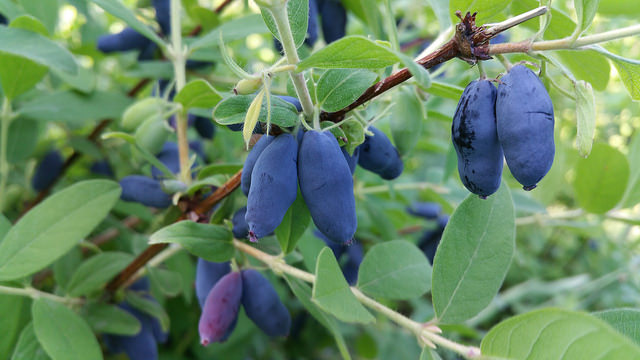
Looking to add a unique and delicious berry to your homestead? Say hello to the honeyberry – your new edible landscape superstar!
Also known as haskap or blue honeysuckle, this hardy perennial shrub is a true gem for permaculture systems. Native to northern boreal forests, honeyberries are incredibly cold-hardy (surviving temperatures down to -55°F!) and thrive in zones 2-7.
What makes honeyberries so special? Let’s count the ways:
- Early harvest: These blue beauties ripen weeks before strawberries, giving you a head start on fresh fruit season.
- Nutritional powerhouse: Packed with antioxidants, vitamin C, and flavonoids – they’re like blueberries on steroids!
- Versatile in the kitchen: Enjoy them fresh, baked into pies, or preserved as jams and syrups.
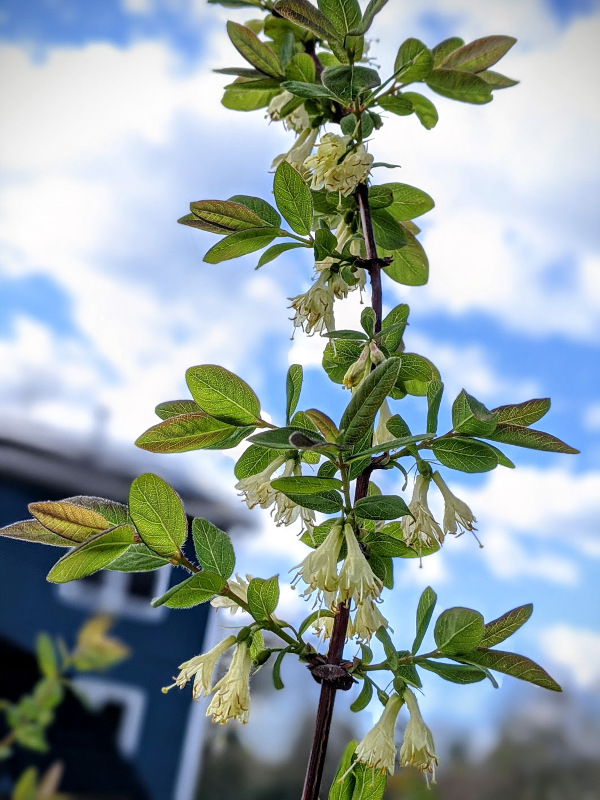
- Pollinator-friendly: The early spring flowers provide crucial nectar for bees and other beneficial insects.
- Companion planting potential: They play well with others in your food forest or orchard setup, tolerating a bit of shade and still producing fruit.
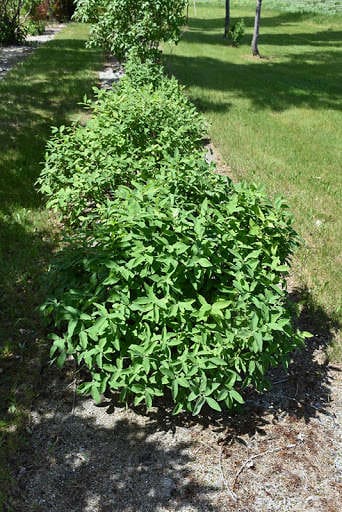
Plant at least 2 honeyberries of similar ripening times for pollination. Planting many varieties together seems to give me the best yield. Plant them about 4-5 feet apart ideally in well-draining, slightly acidic soil, but they’re pretty adaptable. They’ll reward you with minimal care and bountiful harvests for years to come.
Pro tip: While honeyberries are naturally pest-resistant, netting might be needed to protect your harvest from eager birds – they love these berries as much as we do!
Ready to dive into the world of honeyberries? Add a pair to your cart and take your permaculture game to the next level. Your taste buds (and local ecosystem) will thank you!
Have questions about integrating honeyberries into your homestead? We’re here to help – just drop us a message. Happy planting, friends!
Variety Info:
- ‘Berry Blue’—one of the most vigorous and highest-yielding varieties. Also known as ‘Czech 17’. Early blooming, early ripening fruit, also an excellent pollinator for other early-blooming honeyberry varieties. They grow about 6′ tall maximum. The berries are sweet and slightly tart with good flavor.
- ‘Cinderella’—Another early blooming Russian variety, a great pollination companion for ‘berry blue’. It’s a little smaller than berry blue, growing about 4′ tall, also very productive.
- Aurora—This is my favorite for fresh eating. Large elongated berries.
- Borealis—Has a lower, more sprawling form. Excellent berries.
- Blue Sky—Another early-blooming type from Siberia. Very vigorous and productive.
- Indigo Gem—Roundish berries, high-yielding, berries seem to be more visible and easier to pick.
- Honeybee—productive, good tasting berry, and a great pollinator for other honeyberries.
- Beast—Large, plump, sweet, berries, blooms and ripens after early Russian varieties. Excellent pollinator for ‘beauty’.
- Beauty—Similar in many ways to its counterpart, the berries are large and sweet. Excellent pollinator for ‘beast’.
- Japanese Seedlings Unlike named varieties, every seedling honeyberry is unique and variable. Unlike many fruits, seedling honeyberries start bearing fruit early, often in their second or third year of life, so these may start bearing the same year you plant them or if not then likely the year after. These seedlings come from parents with Japanese genetics.
- Mixed Seedlings—These seedlings come from all different cultivar parents.