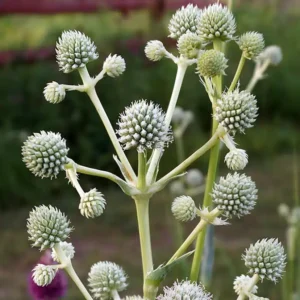
Korean Mint (Agastache rugosa)
A fragrant pollinator magnet, herbal tea plant, and medicinal powerhouse—Korean Mint brings beauty, resilience, and flavor to the home garden.
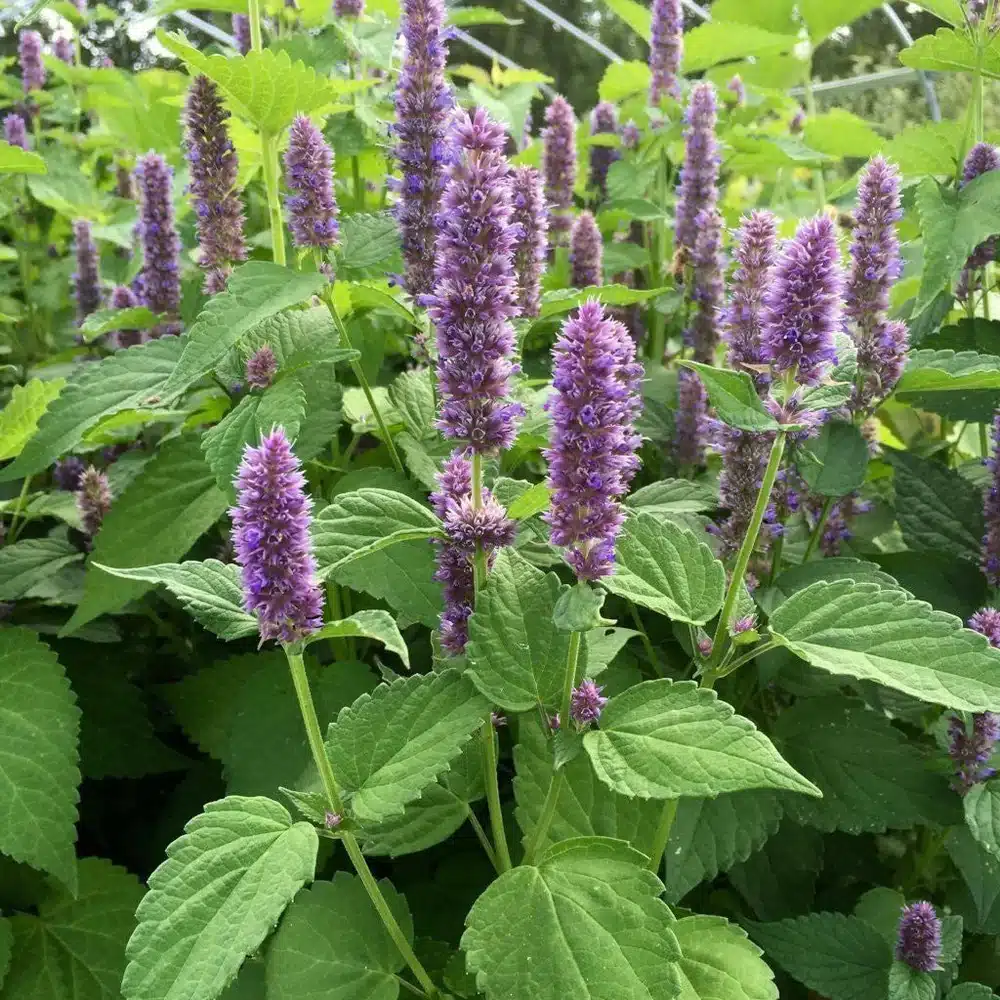
Korean Mint, also known as Purple Giant Hyssop or Agastache rugosa, is a cold-hardy perennial herb that every food forest and cottage garden should make room for. Beloved for its fragrant anise-mint aroma, stunning spikes of lavender flowers, and time-tested medicinal uses, this tough yet beautiful plant pulls triple duty as an edible, ornamental, and pollinator favorite.
At Humble Abode Nursery, we grow Korean Mint because it checks all the boxes: it feeds bees, calms our bodies, flavors our teas, and brings a splash of color to any sunny corner.
Edible & Medicinal Uses of Korean Mint
This minty, licorice-scented herb is a classic ingredient in East Asian traditional medicine. In Korean and Chinese herbal traditions, Korean Mint is known for its warming, digestive qualities. The leaves and flowers are used to:
-
Brew herbal tea with a sweet anise flavor that soothes the stomach
-
Support healthy digestion and ease bloating
-
Freshen breath and cool the body during hot weather
-
Add a fragrant twist to salads, herbal syrups, and infused honey
Korean Mint is also a natural antibacterial and is often used in folk remedies for colds and minor respiratory discomfort.
Whether you dry the leaves for winter tea or snip fresh sprigs to toss in a pitcher of lemonade, this is an herb that feels like a small act of daily care.
Ecological & Pollinator Benefits
Few plants attract pollinators like Agastache rugosa. From mid-summer into early fall, Korean Mint erupts in spires of soft purple flowers that hum with bees, butterflies, and hummingbirds. It’s one of the best nectar plants you can add to a pollinator garden, perennial bed, or food forest understory.
Its long bloom season provides crucial late-season food for pollinators when many other flowers have faded.
How to Grow Korean Mint
Korean Mint is wonderfully easy to grow. Hardy in USDA Zones 4–9, it’s well-suited to cold-hardy gardens and sustainable edible landscapes alike.
Plant in full sun for the strongest flowering and best flavor. Korean Mint prefers rich, well-drained soil, but tolerates light drought once established. It grows 2–4 feet tall and will flower from midsummer into frost if you keep cutting for tea or deadhead spent blooms.
Like many mints, it will self-seed politely but isn’t an aggressive spreader like peppermint—so you can plant it among other herbs, berry bushes, or fruit trees without worry.