Ginkgo biloba
An ancient tree for a modern garden—Ginkgo offers resilience, beauty, and deep-rooted healing in a uniquely sculptural form.
Ginkgo is a living fossil, unchanged for over 200 million years. It predates flowering plants, dinosaurs, and the continents as we know them. But this isn’t just a relic—it’s a remarkably adaptable, low-maintenance tree with powerful medicinal value, stunning golden fall color, and a quiet strength that makes it right at home in any permaculture orchard, urban yard, or edible landscape.
At Humble Abode Nursery, we grow Ginkgo biloba for the gardeners who think long-term—for those building gardens not just for beauty or yield, but for legacy.
Edible & Medicinal Uses
Ginkgo leaves are world-renowned for their medicinal properties. Used traditionally in Chinese medicine and now extensively studied in modern herbalism, ginkgo is valued for its ability to enhance circulation, support brain health, and improve memory and cognitive function. It’s often prepared as a tea, tincture, or standardized extract.
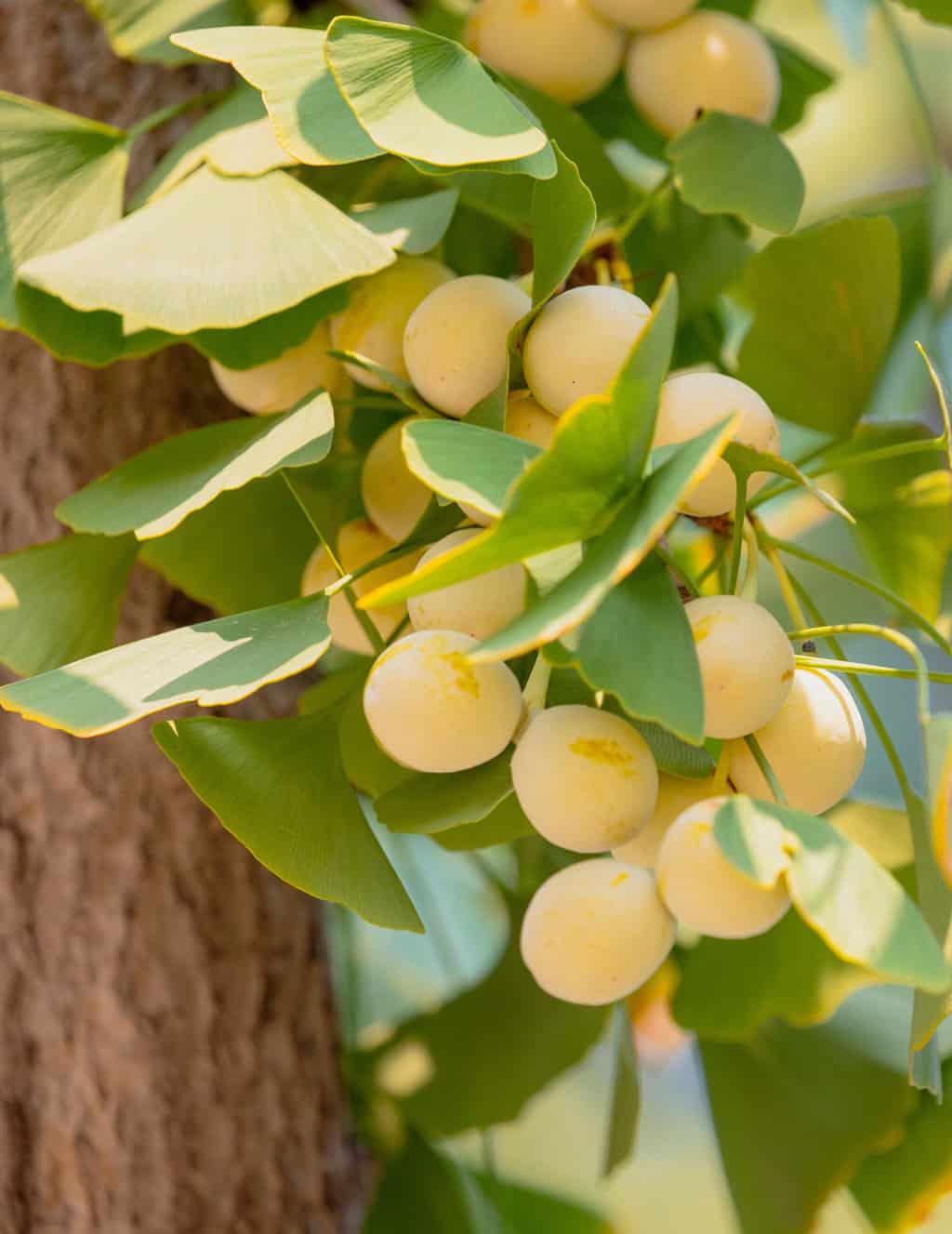
The leaves are best harvested in early fall—just before they turn gold—when their active compounds are most concentrated. In some traditions, the nuts (technically seeds) of the female tree are eaten after careful preparation, but they must be cooked thoroughly and are only safe in moderation.
Growing Ginkgo
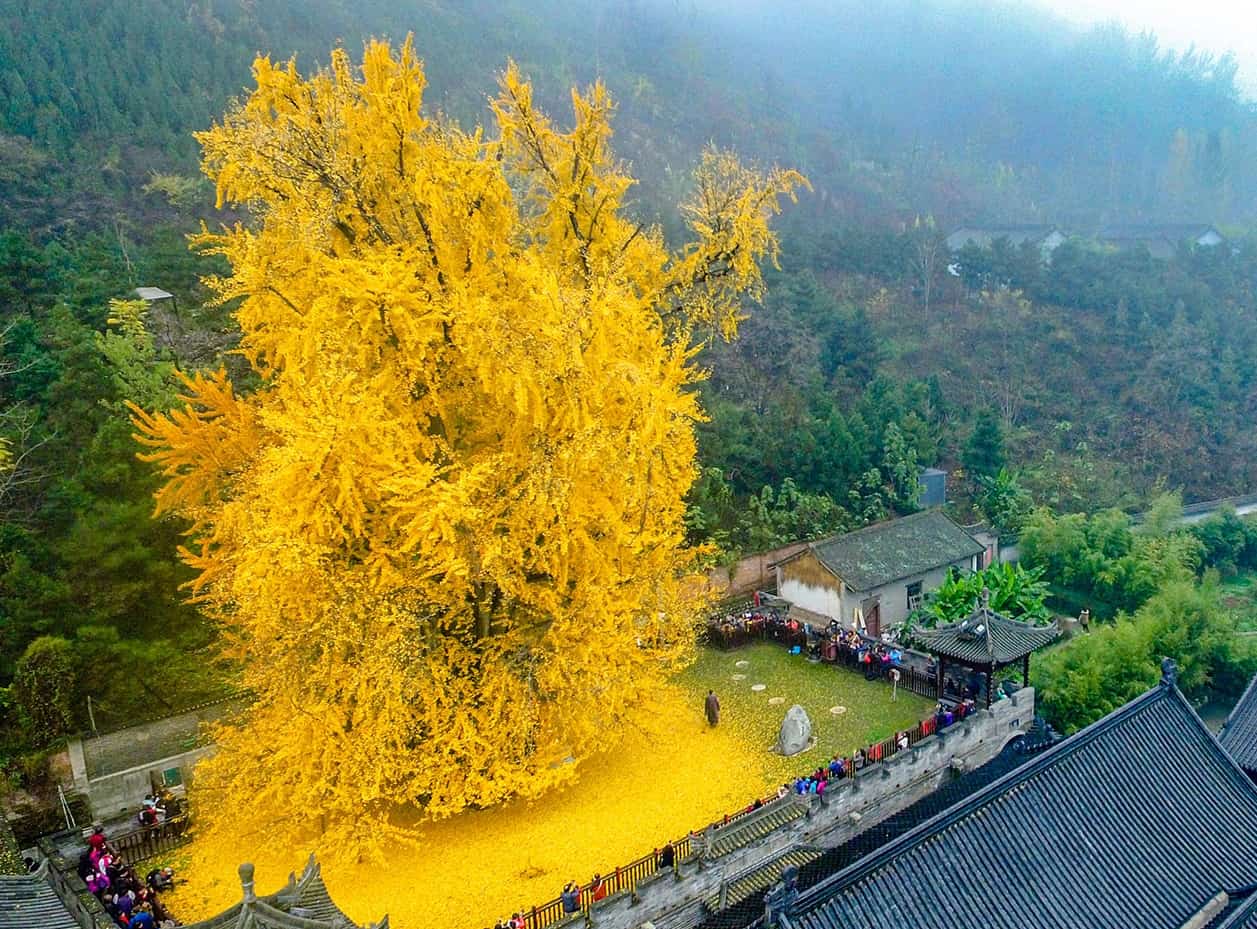
Ginkgo is one of the toughest and most adaptable trees you can plant. It thrives in USDA Zones 3–8, tolerates pollution, poor soil, drought, compacted urban conditions, and even salt. It’s pest- and disease-resistant, deer-proof, and wildly long-lived—there are specimens in Asia over 1,000 years old still growing strong.
It prefers full sun and well-drained soil, though it will tolerate partial shade. Young trees grow slowly at first, focusing on establishing their deep roots, but once established they can put on a foot or more of growth per year.
Ginkgo trees are dioecious—meaning there are separate male and female trees. Most nurseries offer only male trees for landscape use, since the female trees drop fruit that can have a strong odor when overripe. But if you’re planting in a larger food forest and are interested in the full reproductive cycle—including harvesting and roasting the seeds—you may want one of each.
The distinctive fan-shaped leaves turn a spectacular, uniform yellow in the fall—then often drop all at once in a single, golden rain.