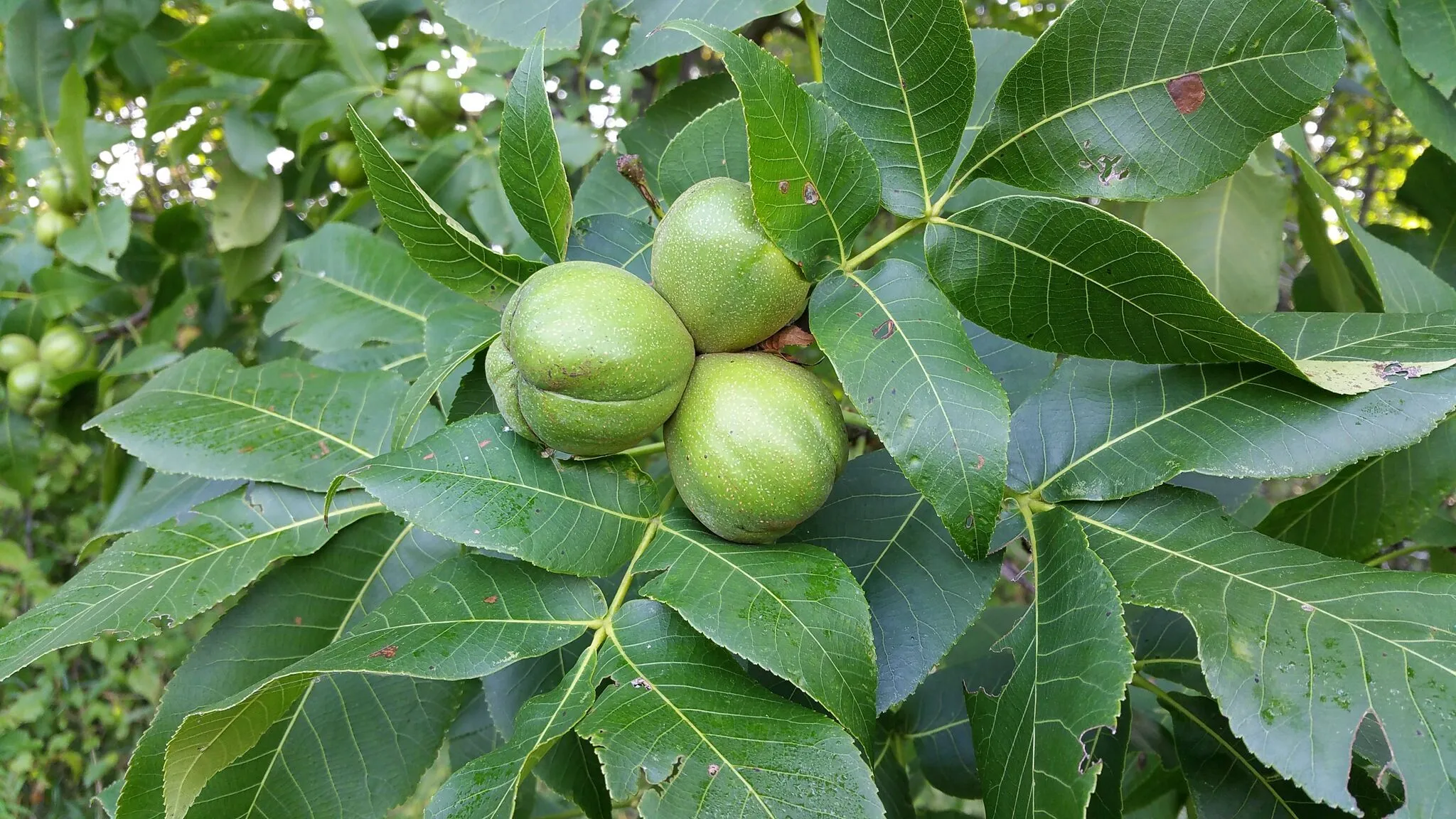
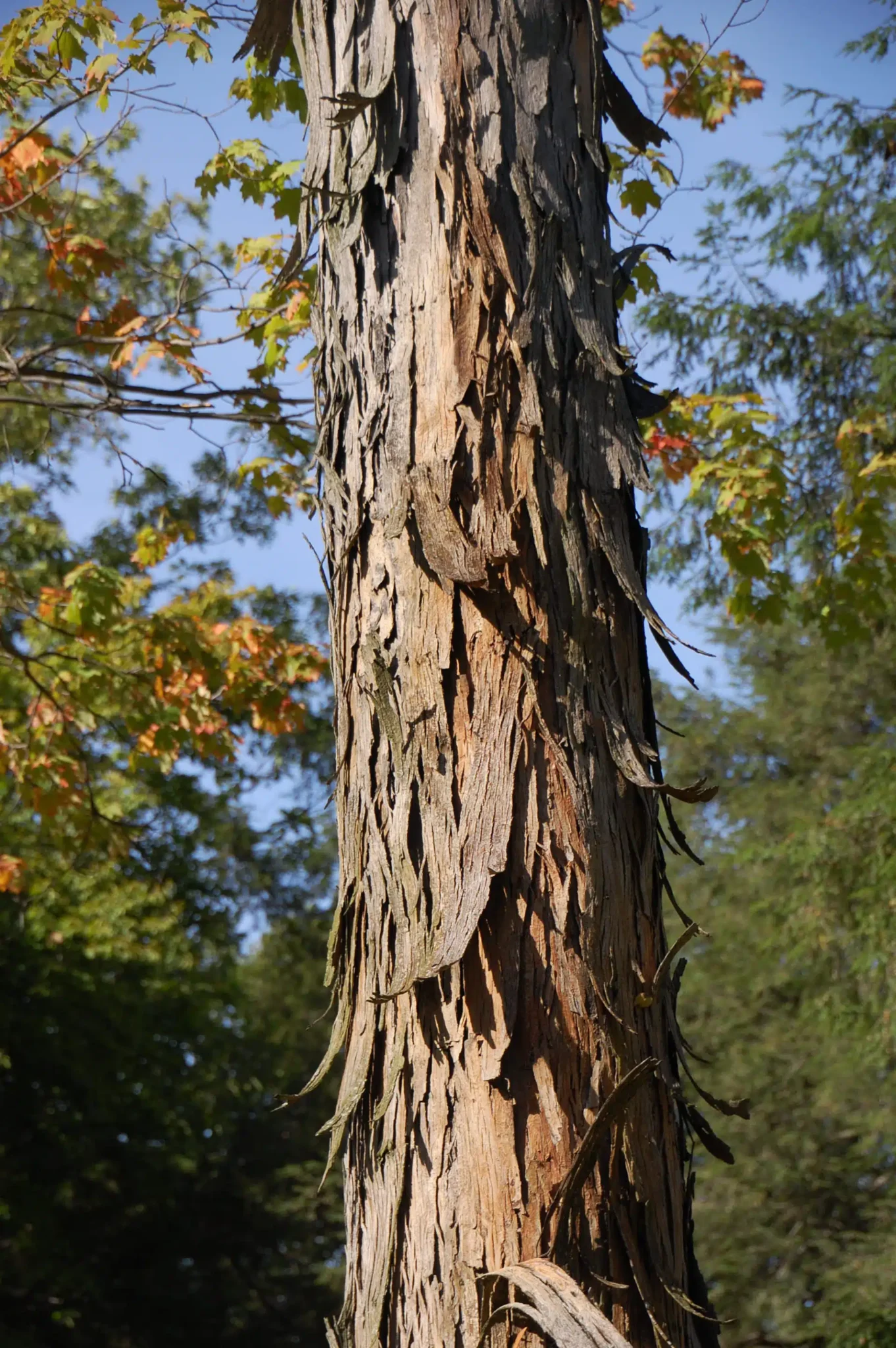
Hickory (Carya spp.)
A tree of strength, sweetness, and legacy—Hickory offers nourishing nuts, beautiful hardwood, and a lasting presence in your home orchard or food forest.
There’s something noble about a hickory tree. Towering and slow-growing, with deep roots and generous yields, it’s a tree that asks you to think long-term. But for those willing to plant for the future, Carya species—like shagbark, shellbark, and hybrids—offer one of the most rewarding nut crops you can grow in temperate climates.
At Humble Abode Nursery, we grow and offer hardy hickory species and cultivars that thrive in Zones 4–8, selected for superior nut production, cold tolerance, and adaptability. These are trees you plant for your children—and their children—but they’ll start giving back to you sooner than you might think.
Edible Uses
Hickory nuts are rich, buttery, and deeply nutritious—loaded with healthy fats, protein, calcium, and essential minerals. The flavor similar to pecan, but with even more depth, in my opinion. Some species, like shagbark hickory (Carya ovata), produce nuts that rival cultivated pecans in flavor and texture.
These nuts can be cracked and eaten raw, roasted, or ground into nut butter or flour. They store well, and hickory milk—made by boiling nuts in water—was a traditional staple for Indigenous peoples of eastern North America.
Growing Hickory Trees
Hickories are slow to establish but incredibly resilient once they do. They thrive in full sun and deep, well-drained soil, but are surprisingly adaptable—handling clay, drought, and wind with stoic grace. Most species are hardy from Zone 4 to 8, and many native types are tolerant of extreme cold.
These trees grow tall—often 60 to 80 feet at maturity—with strong central trunks and spreading crowns. They need space to reach their full potential and pair well with other long-lived nut trees like chestnuts, walnuts, and oaks in a food forest overstory and silvopasture systems.
Hickories are wind-pollinated and require at least two compatible individuals (ideally from different genetic lines) for good nut production. Many of our grafted cultivars come from superior parent trees selected for consistent yields, thinner shells, and excellent flavor.
While they take time to bear (often 10–12+ years from seed, less from grafted trees), they more than make up for it in longevity and resilience. They can live for 200-300 years!