Hickories (Grafted)
$60.00 – $80.00Price range: $60.00 through $80.00
FREE Shipping on orders over $225
FREE 1-Year Warranty
Out of stock
Category:
Trees
$60.00 – $80.00Price range: $60.00 through $80.00
FREE Shipping on orders over $225
FREE 1-Year Warranty
Out of stock
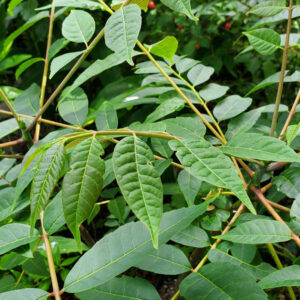
The best of both worlds—grafted hickories combine the wild resilience of native trees with the dependable yields of carefully selected cultivars.
For those who love the idea of growing hickory but want earlier nut production, as well as predictable and superior genetics, grafted hickory trees are the answer. These trees are created by joining a high-performing, named variety—chosen for flavor, thin shells, and reliable harvests—with a hardy pecan rootstock. The result is a tree that still offers all the strength and longevity of wild hickory, but with the added benefit of predictability.
At Humble Abode Nursery, we offer grafted hickories suited to Zones 4–8.
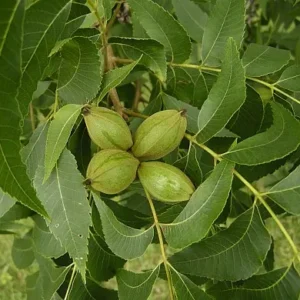
The nuts from grafted hickories are nothing short of gourmet. Depending on the cultivar, they may be sweet and buttery like a pecan, or rich and robust like a wild shagbark—often with thinner shells and larger kernels than their seedling-grown counterparts. This means easier cracking, higher yields, and more food for your effort.
Like all hickories, these nuts are loaded with healthy fats, protein, and trace minerals, and make an outstanding staple in any homegrown diet. Eat them raw, toast them, grind them into flour or nut butter, or make traditional hickory milk for a nutrient-rich drink.
Hickories are outstanding food for animals, whether it be wildlife or livestock, and they deserve a place in silvopasture systems, where they can drop massive amounts of foot in mast years for animals. While you’re waiting for your hickories to bear nuts you can dream of sweet, delicious, hickory-finished pork.
Beyond food, hickory trees are known for their high-quality hardwood, so when your ancestors cut finally cut them down after a couple centuries, they’ll have some nice wood to work with.
Unlike seedling hickories, which can take 10–12 years or more to bear fruit (and whose nut quality can vary considerably), grafted hickories can begin producing in as little as 5–6 years. Because they’re propagated from proven parent trees, you know exactly what you’re getting: excellent nut quality, manageable shell thickness, and consistent yields year to year.
Grafted trees also tend to bear more regularly than wild seedlings, and many cultivars are less prone to alternate-year production. If you’re building a food forest or nut orchard and want to ensure your future nut harvests are abundant and reliable, grafted trees are a wise investment.
Like their wild cousins, grafted hickories prefer full sun and deep, well-drained soils, though they’re remarkably adaptable once established. They’re drought-tolerant, wind-resistant, and incredibly long-lived. Hardy to USDA Zones 4–8, most cultivars we offer are chosen specifically for cold-climate performance.
Hickories are wind-pollinated and require at least two genetically distinct trees for good nut set—so planting a pair of compatible grafted varieties (or combining grafted and seedling trees) is essential for fruiting.
These trees will eventually reach 50–80 feet tall, so give them space to grow. They fit beautifully into the overstory layer of a permaculture system or as long-term anchors in a regenerative agroforestry planting.
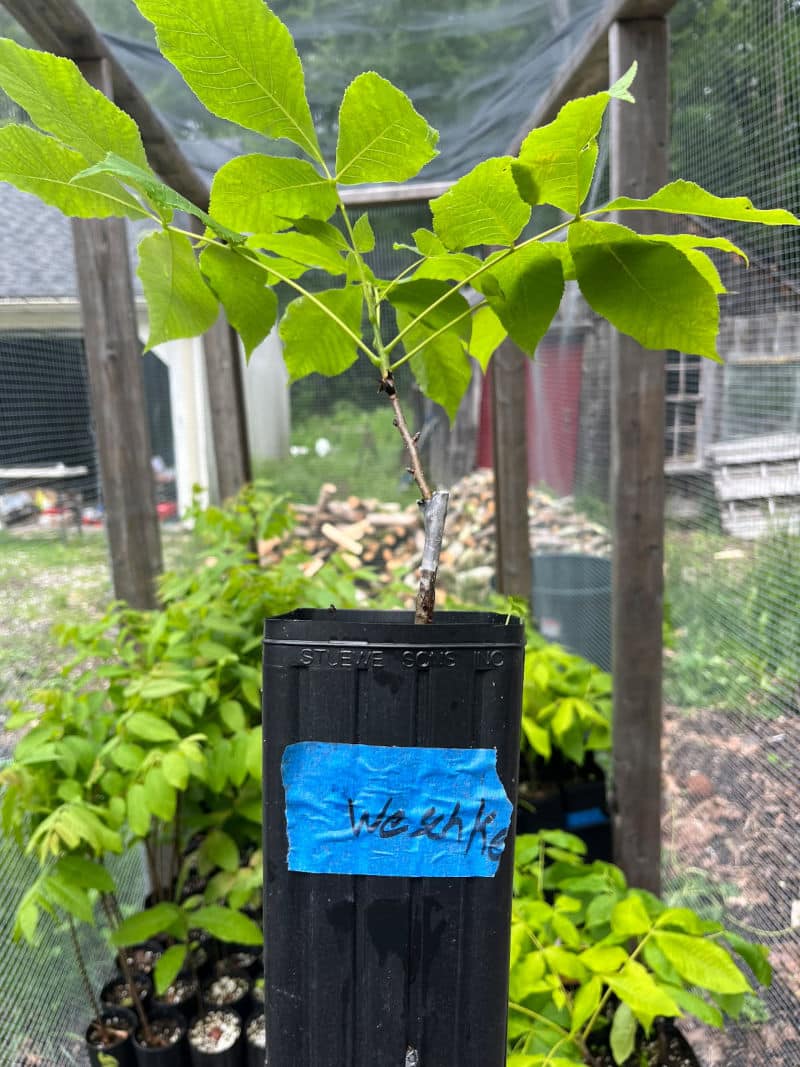
These are grown in 4″x14″ deep tree pots and ship bare root.
They are difficult to graft and available only in limited quantities. Please note the the high price of these reflects the difficulty of propagation.
Jobstown Shagbark Hickory
Lizzie Mountain Shagbark Hickory
Grainger Shagbark Hickory
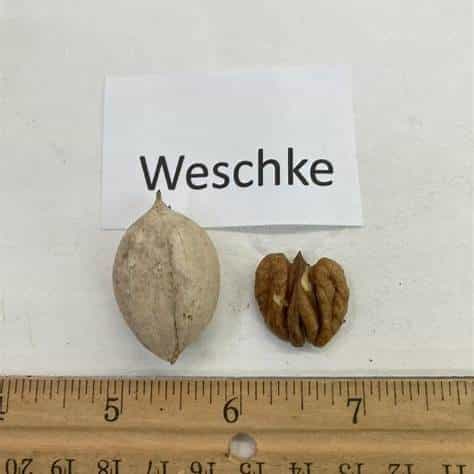
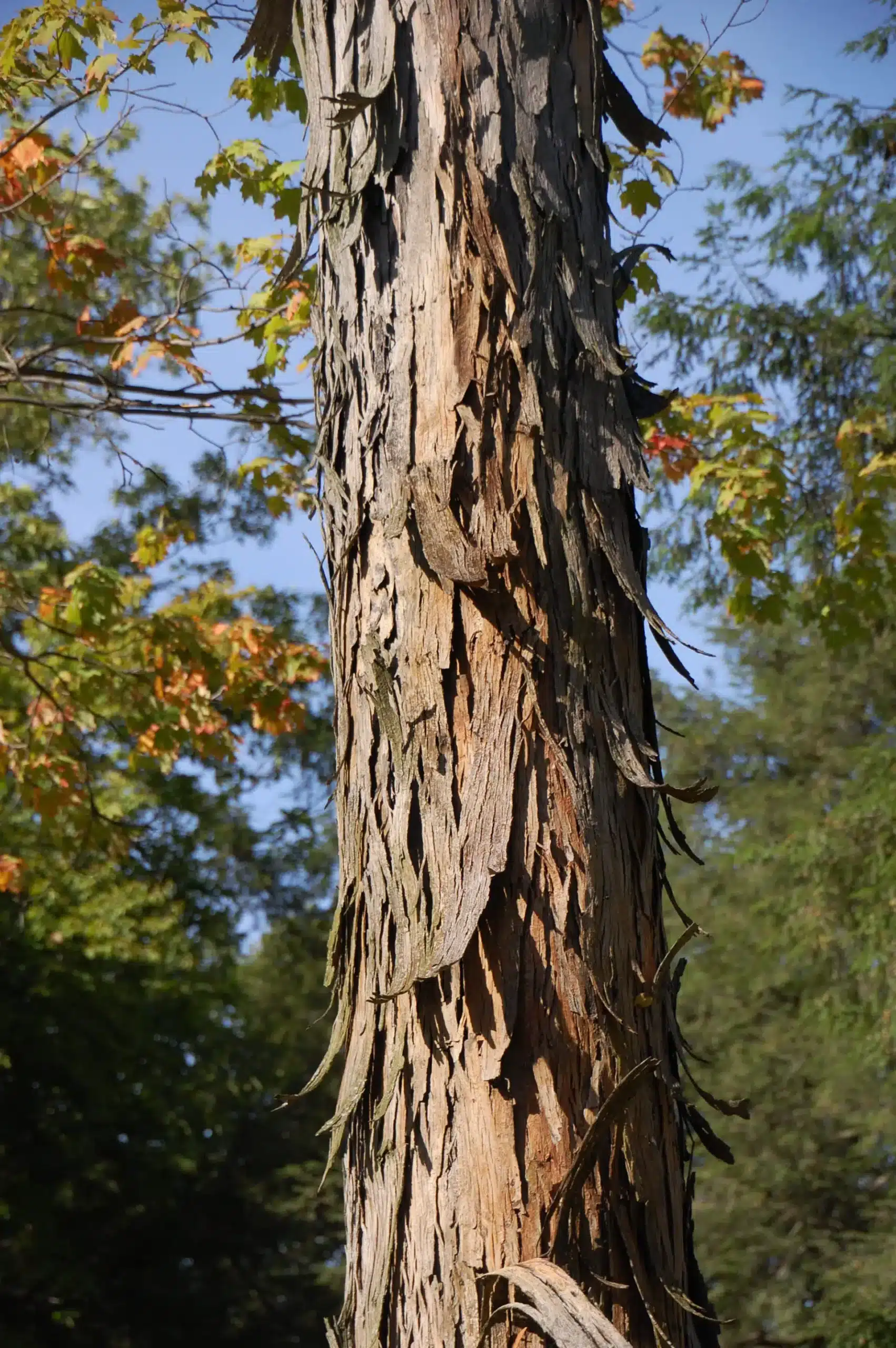
Weschcke Shagbark Hickory
Porter Shagbark Hickory