Grapes (Vitis spp.): Versatile Climbing Fruit
Grapes are woody, climbing vines prized for their delicious fruit and ornamental value. With numerous species and cultivars available, grapes can be grown in a wide range of climates for fresh eating, wine-making, or raisins.
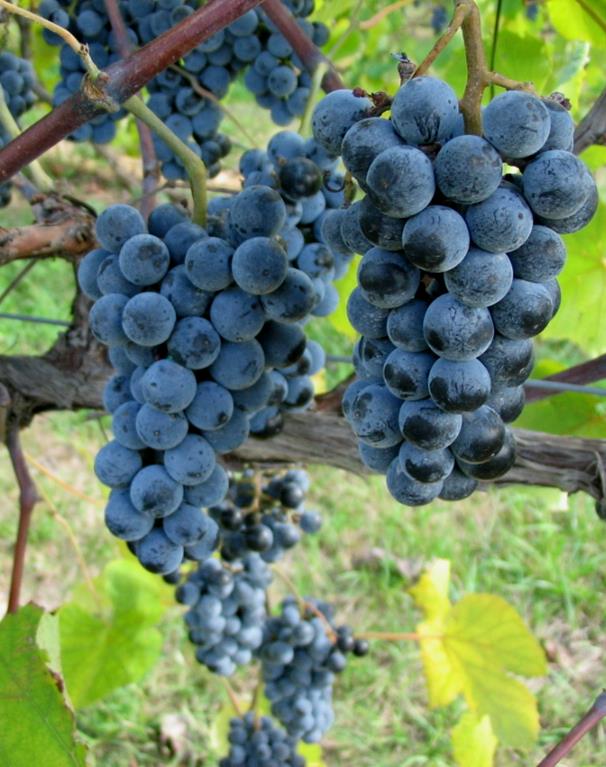
Grapevines can grow quite large, often reaching 20-30 feet in length. They have large, lobed leaves and produce clusters of small, round fruits that vary in color from green to red to purple-black, depending on the variety.
Grapes prefer full sun and well-drained soil. Hardiness varies by species and cultivar, but many are suitable for USDA zones 4-9 (Some down to zone 3). They require proper pruning and training for optimal fruit production and can be grown on trellises, arbors, or along fences.
At Humble Abode Nursery, we offer a selection of bare-root grapevines chosen for flavor, disease resistance, and adaptability to various climates. Our stock includes both table and wine grape varieties.
Consider adding grapes to your garden if you’re looking for productive vines, want to create shade or vertical interest, or are interested in home winemaking or fruit preservation.
Variety Descriptions:
- Bluebell—Dark blue skin, medium-sized and very hardy (to zone 4) grape, with a flavor sometimes compared to concord. Like many excellent fruits, it doesn’t ship well, but is currently being rediscovered by homestead growers, small farms and nurseries for good reason! Zone 4a-8.
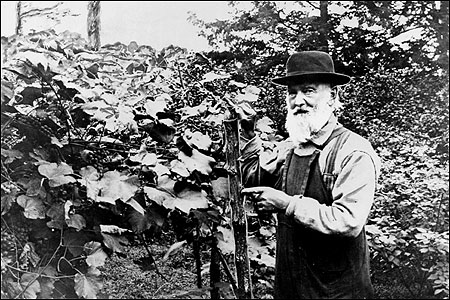
- Concord—A classic grape with a great history. Farmer Ephraim Bull planed 22,000 seedlings of our native fox grape in the fall of 1843. In 1849 he selected the very best one and named it ‘Concord’ after Concord, MA, where he lived. He sold vines for $5 each, which were quickly propagated and sold by other growers. He ended up with very little financial success to show for his efforts, and his gravestone’s epitaph reads “He Sowed Others Reaped.” Which is a good reminder that plant breeding is often more a labor of love than a sound financial investment. Zone 5a-9.
- Frontenac—A reliable wine grape that is more resistant to many of the fungal diseases and rot that plague grapes during wet weather. I often find it has the healthiest looking leaves of any of the grapes I grow. Used for rosé and red and port style wines. You can also just eat the grapes if, like me, you’re not super into making wine. Zone 3b-8.
- King of the North—vigorous and super hardy grape vine that is an excellent choice for cold climates. Blue slipskin sweet fruit. Zone 3-8.
- Kyoho—A massive (nearly golfball-sized) and delicious hybrid grape popular across Asia. Hardy to zone 6. Does great in my high tunnel in zone 5.
- Reliance— A pinkish-red seedless grape with excellent flavor and texture. Clusters are a medium large size. Grapes are very sweet and used for fresh eating and for raisins. Zone 4-8.
- Somerset—THE most cold hardy seedless grape for northern gardens. Sweet red seedless grapes. One of the last introductions by the late great grape breeder Elmer Swenson.
- St. Pepin— A dual-purpose fresh eating and wine grape. Vine is very productive and grapes ripen evenly and hold on the vine. Grapes are smaller and used to make white wine. Also make excellent juice. Zone 4-8.