Fruit Trees for Zone 3: Growing Abundance in the Northern Cold
If you garden in USDA Zone 3, you know what it means to wait patiently through a long, cold winter—then hustle to make the most of your short summer. With temperatures dipping as low as -40°F and frost dates crowding the calendar on both ends, Zone 3 isn’t the easiest place to grow fruit. But it is possible—and deeply rewarding.
At Humble Abode Nursery, we believe northern gardeners deserve just as much fruit, flavor, and joy as anyone. That’s why we specialize in cold-hardy plants, offering a wide selection of bare root fruit trees, berry bushes, nut trees, and perennial edible plants ready for your food forest or home orchard—including many that thrive in Zone 3.
What is USDA Zone 3?
USDA Zone 3 includes areas where average annual minimum temperatures range from -30°F to -40°F (-34°C to -40°C). You’ll find this zone across northern parts of the U.S. like Montana, Minnesota, and Maine, as well as southern parts of Canada.
Growing in Zone 3 requires careful variety selection, attention to microclimates, and a dash of stubborn optimism. But once you see your first plum tree bloom or taste your first homegrown aronia berry, you’ll know it’s all worth it.
Challenges of Growing in Zone 3
- Short Growing Season: You may only have 100–120 frost-free days.
- Winter Damage: Cold-hardy rootstocks are essential for grafted trees. Seedlings are usually even better.
- Late Spring and Early Fall Frosts: They can zap buds or ruin ripening fruit.
- Wind and Snow Load: Can damage young trees and shrubs.
Tips for Gardening in Zone 3
- Choose proven cold-hardy varieties, especially those native to or bred for northern climates.
- Use mulch generously to insulate roots and prevent heaving during freeze/thaw cycles.
- Tuck trees near windbreaks or buildings to shelter them from extreme exposure.
- Incorporate nitrogen fixers and perennial vegetables to build soil and resilience.
A Caveat:
USDA climate zones are rough estimates based only on minimum temperature. They’re good guidelines, but whether or not a plant will survive where you live is in reality much more complex and nuanced. Things like microclimate, rainfall, sunlight, humidity, windiness, elevation, proximity to water, snowcover, and so on, have a huge influence. The only way to know for sure is to try things out and see what works where you live.
Here are the species we sell that can thrive in zone 3:
-
American Plum
$25.00 -
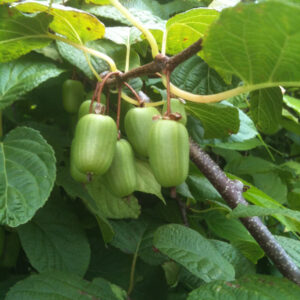
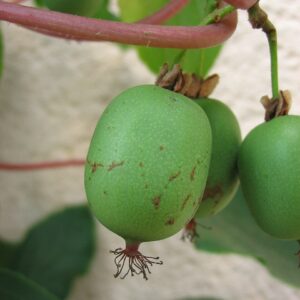
Arctic Kiwi
$25.00 -
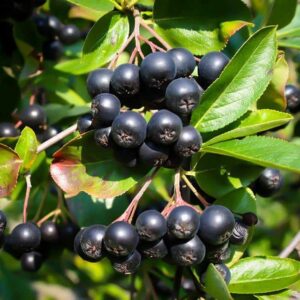
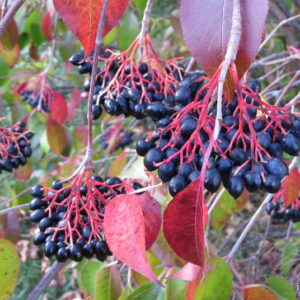
Aronia
$20.00 – $30.00Price range: $20.00 through $30.00 -
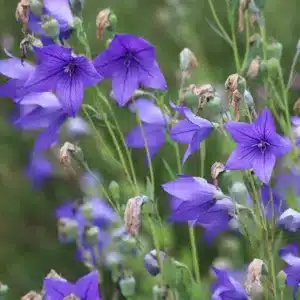
Balloon Flower
$33.00 -
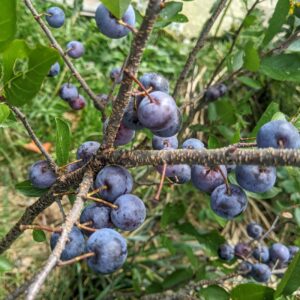
Beach Plum
$19.00 – $26.00Price range: $19.00 through $26.00 -
Bird Cherry
$22.00 -
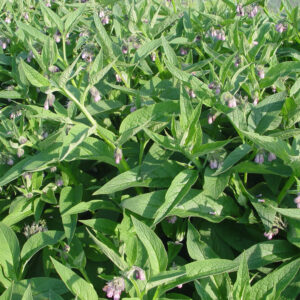
Comfrey (3 divisions)
$33.00 -
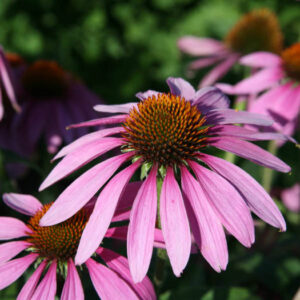
Echinacea (3 plants)
$29.00 -
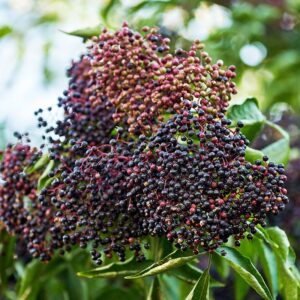
Elderberry
$21.00 -
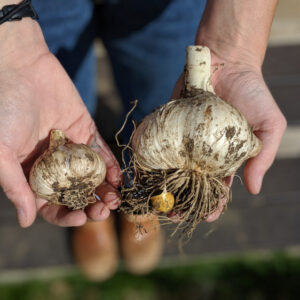
Elephant Garlic
$18.00 -
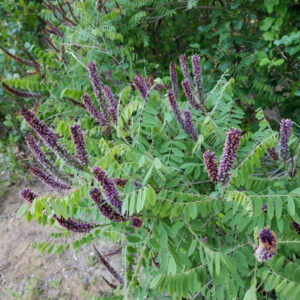
False Indigo
$35.00 -
Ginkgo
$21.00 – $38.00Price range: $21.00 through $38.00 -
Hardy Kiwi
$25.00 -
Honey Locust (thornless)
$21.00 -
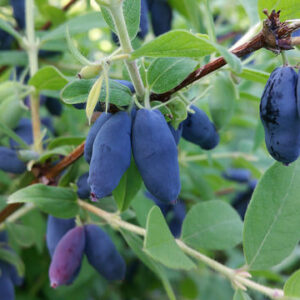
Honeyberry
$24.00 – $29.00Price range: $24.00 through $29.00 -
Juneberry
$25.00 -
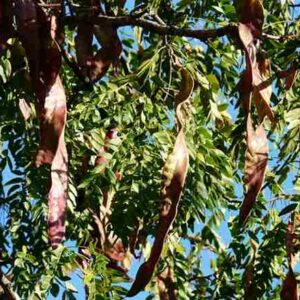
Kentucky Coffeetree
$19.00 -
Lovage
$33.00 -
Marshmallow
$33.00 -
Maximilian Sunflower
$33.00 -
Meader Bush Cherries
$27.00 -
Mountain Ash
$22.00 -
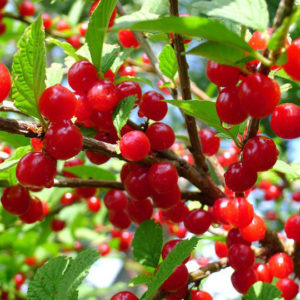
Nanking Cherry
$23.00 – $27.00Price range: $23.00 through $27.00 -
Nannyberry
$24.00 -
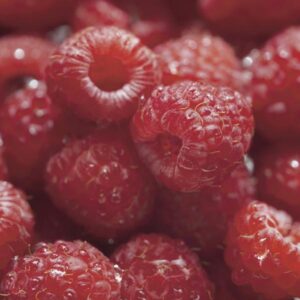
Raspberry
$32.00 -
Rugosa Rose
$22.00 -
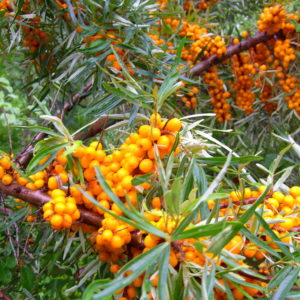
Seaberry
$23.00 – $31.00Price range: $23.00 through $31.00 -
Sochan (3 plants)
$33.00 -
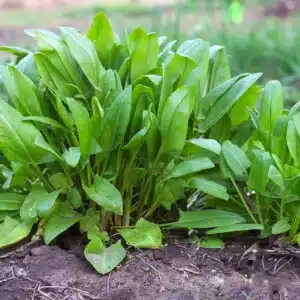
Sorrel
$33.00 -
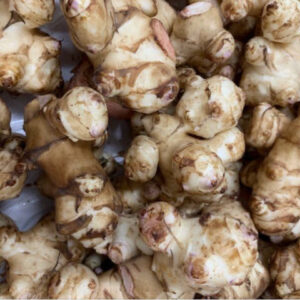
Sunchoke
$25.00 -
Sweet Cicely (3 plants)
$33.00 -
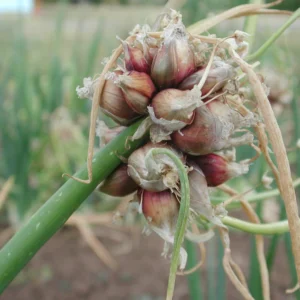
Walking Onion
$21.00 -
Willows
$19.00