Introduction
Juneberry is a rising star in the world of home gardening and permaculture. Known for its adaptability, unique flavor, and striking ornamental appeal, this humble shrub or tree has found a place in the hearts (and landscapes) of gardeners everywhere.
Why are so many people turning to Juneberries? Beyond their delicious fruit, they’re also easy to grow, sustainable, and perfectly suited for creating cold-hardy, low-maintenance gardens. Whether you’re planting a food forest, enhancing your edible landscaping, or simply looking for a new fruit to try, Juneberries are a versatile choice that checks all the boxes.
What is a Juneberry?
The Juneberry, or Amelanchier spp., is a small tree or shrub native to North America. Depending on where you live, you might know it by another name, such as serviceberry, Saskatoon berry, or even shadbush. No matter what you call it, one thing remains the same: this plant is truly awesome!
Characteristics of the Juneberry
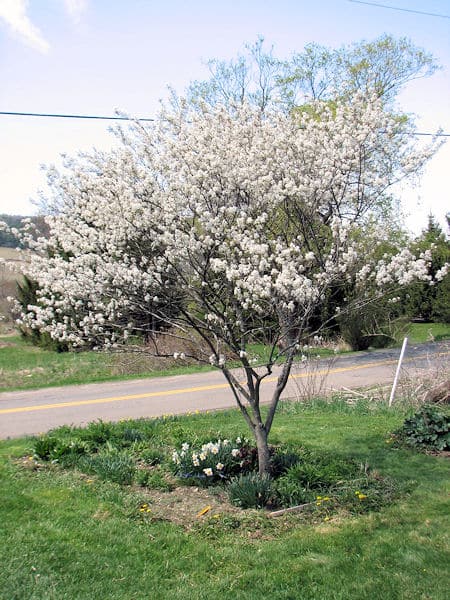
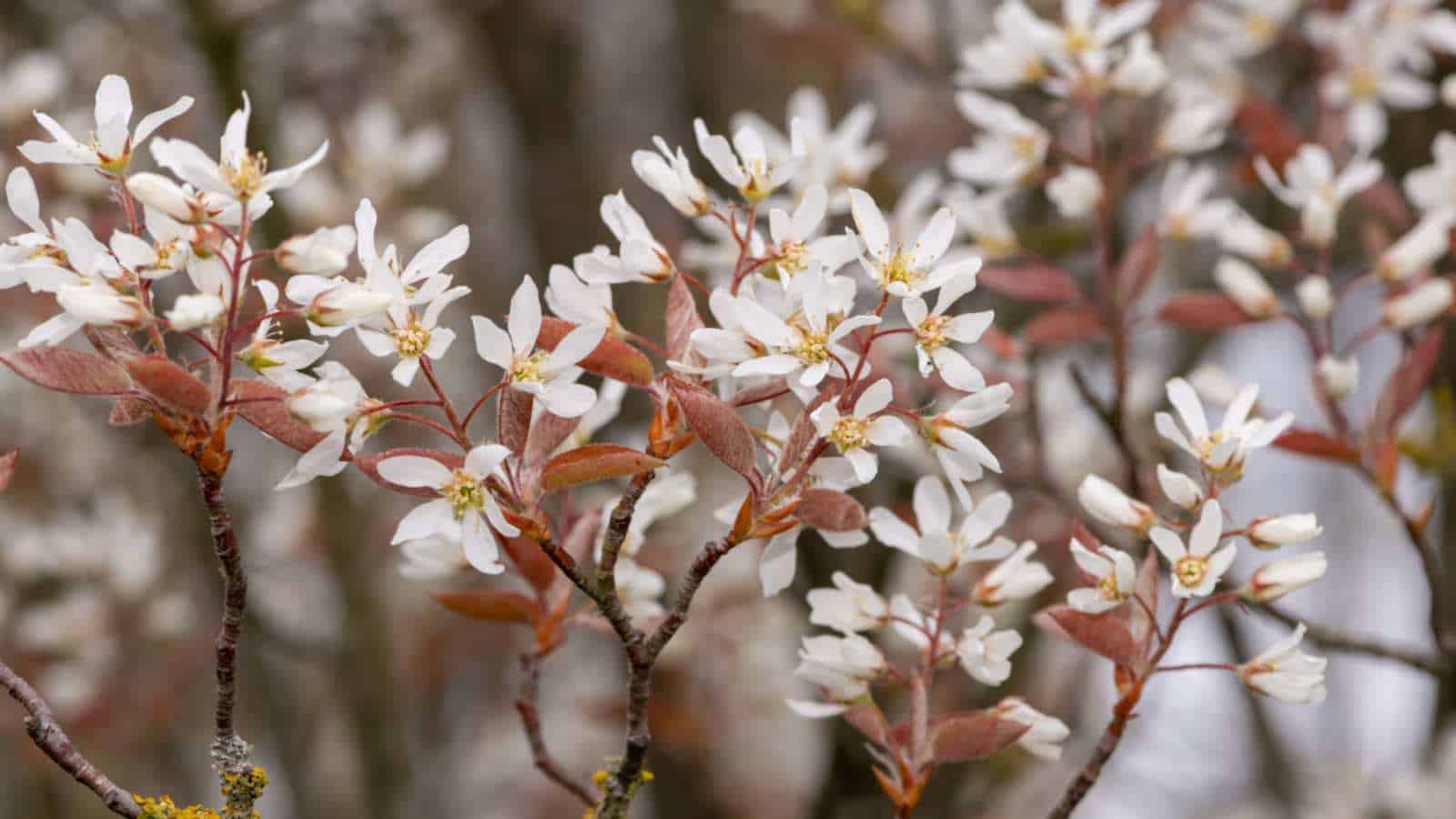
- Appearance: Juneberries are known for their year-round beauty. They feature showy white blossoms in spring, deep purple/blue berries in early summer, and fiery red-orange foliage in the fall.
- Growth Habit: These plants are highly versatile, ranging from multi-stemmed shrubs to small, ornamental trees, typically reaching heights of 10 to 25 feet, depending on species and variety
- Flavor and Fruit: The berries, which ripen in early summer, are sweet with a flavor often compared to a mix of blueberries and almonds.

A Plant with History and Purpose
Juneberries have a long and rich history in North America. Indigenous peoples relied on them as a key food source, using the berries fresh, dried, or in pemmican—a high-energy food made with meat and fat. Their high nutritional value and delicious flavor made them a treasured resource.
Juneberry’s Role in Ecosystems
- Pollinator Support: Their blossoms attract bees and other pollinators, supporting a healthy ecosystem.
- Wildlife Appeal: The berries are a favorite for birds, deer, and other mammals, making Juneberries a great choice for wildlife-friendly gardens.
- Biodiversity Benefits: By planting Juneberries, you contribute to the health of local ecosystems and enhance the resilience of your landscape.
Why Add Juneberries to Your Garden?
Juneberries aren’t just for wildlife—they’re perfect for humans too. They’re a low-maintenance, sustainable addition to any garden, providing beauty and delicious fruit.
Benefits of Growing Juneberries
- Edible Landscaping: These versatile plants fit seamlessly into food forests or ornamental garden designs.
- Cold-Hardiness: Juneberries thrive in Zones 2–9, making them ideal for a variety of climates.
- Nutritional Value: Packed with vitamins, antioxidants, and fiber, Juneberries are as healthy as they are tasty.
Their adaptability and low-maintenance nature make them ideal for permaculture gardens, edible landscapes, and home orchards. Whether you’re a beginner or a seasoned gardener, Juneberries are an easy way to enhance your space.
What Do Juneberries Taste Like?
If you’ve ever wondered what nature’s perfect fruit might taste like, Juneberries come pretty close. Their flavor is often described as a delightful mix of blueberry and almond, with subtle hints of cherry. It’s a taste that feels both familiar and uniquely its own, making Juneberries a versatile addition to your kitchen.
They’re wonderful when eaten fresh, right off the tree—like little bursts of sweetness with a hint of nuttiness. But their magic doesn’t stop there. Juneberries shine in baked goods like pies, muffins, and cobblers. They also make fantastic preserves, syrups, and even wine. They have a wide range of culinary possibilities!
Juneberry vs. Other Plants
Juneberries vs. Blueberries
At first glance, you might mistake a ripe Juneberry for a blueberry—but these two fruits are quite different. While blueberries grow on low bushes and thrive in acidic soil, Juneberries are found on shrubs or small trees and prefer well-drained, neutral to slightly alkaline soils. They are much less specialized in their soil preferences when compared with blueberries.
When it comes to flavor, it’s kind of hard to explain! They’re just different flavors, both very good. The blueberry is perhaps a bit tangier, and the juneberry sweeter without the acidic tanginess.
Juneberries vs. Chokecherries
Chokecherries are another native North American plant often confused with Juneberries, but the two are easy to tell apart once you know what to look for. Chokecherries have a more astringent, bitter flavor that requires cooking or sweetening to be palatable. Juneberries, by contrast, are naturally sweet and ready to eat straight from the tree.
Visually, chokecherries grow in dense clusters of small, dark berries, while Juneberries are slightly larger, with a purplish-blue hue. In terms of use, chokecherries are commonly turned into jellies or syrups, whereas Juneberries are versatile enough for both raw and cooked dishes.
Juneberries and Serviceberries
Juneberries and serviceberries are the same plant! The name “serviceberry” is more commonly used in horticultural circles, while “Juneberry” reflects the plant’s early summer fruiting time. Both terms refer to the Amelanchier genus, so whether you call them Juneberries or serviceberries, you’re enjoying the same delicious, nutrient-rich fruit.
How to Grow Juneberries
Juneberries are a dream plant for gardeners seeking beauty, sustainability, and delicious fruit. They thrive in USDA Zones 2–9, making them one of the most cold-hardy fruiting plants available. These resilient plants handle frosty winters with ease and even tolerate the occasional late spring frost that can affect other fruit trees.
Ideal Growing Conditions
- Sunlight: Juneberries prefer full sun for optimal fruit production, but they can tolerate partial shade, making them versatile for various garden designs.
- Soil: They flourish in well-drained soils with a neutral to slightly alkaline pH. Amending with organic matter, like compost, can help improve their growth.
- Water Needs: While drought-tolerant once established, they perform best with consistent moisture, especially during fruiting.
- Non-Invasive: Juneberries are non-invasive, making them a perfect addition to permaculture gardens and food forests. Their adaptability and compatibility with diverse plantings ensure they’ll thrive in a wide range of garden styles.
Whether you’re starting a food forest, enhancing your edible landscaping, or simply adding a new fruit to your home orchard, Juneberries are a reliable, low-maintenance choice.
When and How to Harvest Juneberries
The best part about growing Juneberries is enjoying their sweet, nutty fruit—but timing is everything.
How to Recognize Ripe Juneberries
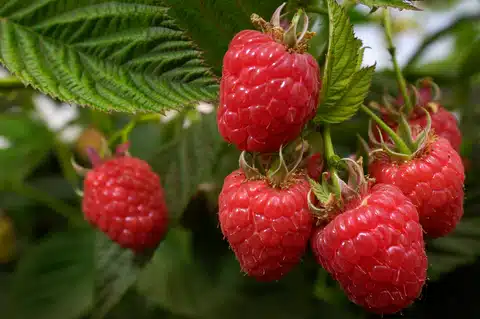
Ripe Juneberries turn a rich purple-red or dark blue and feel slightly soft to the touch. Unripe berries will remain red and firmer, so it’s essential to let them fully mature for the best flavor.
The Harvesting Window
As the name suggests, Juneberries are ready for harvest in early summer, typically in June (though timing may vary slightly depending on your climate). Their short harvesting window means you’ll need to keep an eye on them to avoid missing peak ripeness.
Harvesting Tips
Handle Juneberries gently—they’re delicate and bruise easily. Use a shallow basket or tray to collect them, and refrigerate them promptly to preserve their freshness.
Benefits for Home Gardeners
- Low-Maintenance and Adaptable: Once established, Juneberries are incredibly easy to care for. They’re drought-tolerant, resilient to cold, and adaptable to various soil types, making them a great choice for both novice and experienced gardeners.
- Dual-Purpose Plant: With their stunning spring blossoms, vibrant fall foliage, and sweet summer berries, Juneberries are as much an ornamental feature as they are a productive edible plant.
- Ideal for Food Forests and Sustainable Gardening: As a native plant that supports pollinators and wildlife, Juneberries align perfectly with permaculture principles. They thrive in food forests, edible landscapes, and other sustainable gardening designs.
- Culinary Uses: Juneberries bring versatility to the kitchen. Their sweet, nutty flavor makes them ideal for fresh eating, baking, and preserving. Think pies, muffins, jams, syrups, and even wine—Juneberries shine in every role.
Conclusion
Juneberries are truly a must-have for any garden. They’re delicious, nutritious, and beautiful, offering an unbeatable combination of benefits for gardeners and the environment. With their easy care, versatility, and appeal to both humans and wildlife, they’re a plant you’ll treasure year-round.
If you’ve made it this far through the article, congrats! You’re clearly a dedicated student, and I have a suspicion you might like to try your hand growing some of these plants yourself!
Ready to add Juneberries to your edible landscape? Explore our nursery’s selection of bare-root Juneberries and other edible plants. Whether you’re planning a food forest, permaculture garden, or home orchard, we’ve got the perfect plants to help you create a thriving, sustainable space. Get some plants in the ground! Your future self will thank you.