
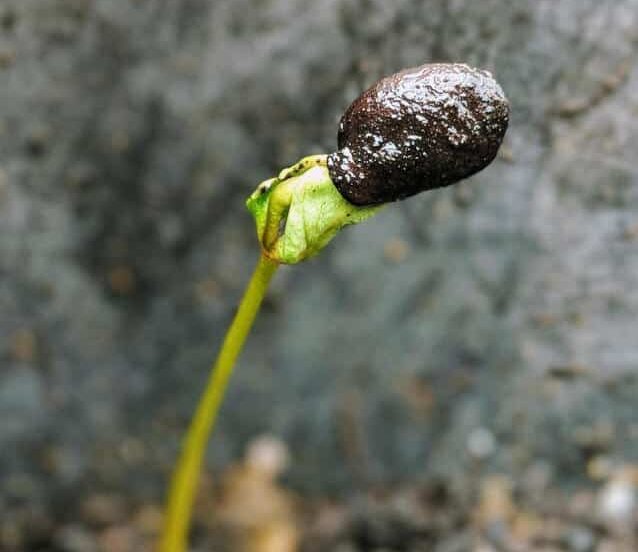
The essence of a sustainable nursery is taking what is free and abundant—water, air, soil, seeds, cuttings, sunlight—and turning it into something valuable to share with others. When I started my nursery business in 2018, that’s exactly what I taught myself to do.
It can be tempting sometimes to try to accelerate the growth of the business by investing more increasingly more time and resources, and that’s fine, to some extent, but for me the fun and profitable part of having a nursery is plant propagation—creating something out of seemingly nothing. Turning sticks and seeds into your life’s sustenance is the name of the game.
In this article I’ll show you where to find free plant material, and how to make more plants out of it.
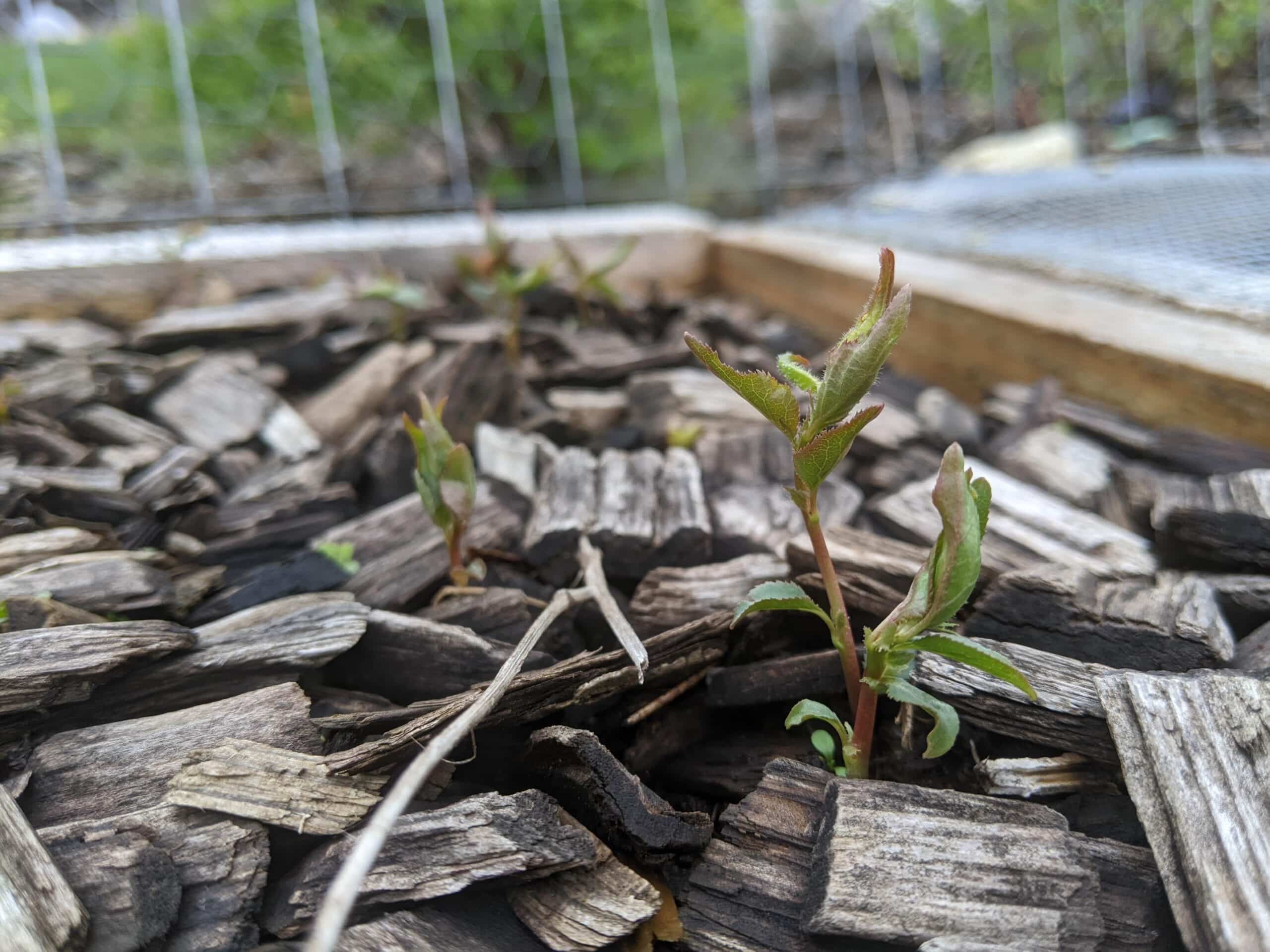
First, let’s look at free or very cheap sources where you can find your first plants.
- Neighbors: Exchange seeds, cuttings, and divisions with fellow gardeners. Building these relationships fosters a supportive community. You know the plants will do well in your area because they already are! You can observe, ask questions and find out what others are already having success with.
- Your own garden: Have a patch of comfrey in your garden you seem to get rid of? Stop trying! Harvest the roots in the fall and sell them to others. As you already know they’ll come right back again in the spring and you can start the whole process over again. Very little work and no investment needed.
- iNaturalist: I naturalist is an excellent source for finding wild plant material growing locally. Other plant enthusiasts tag their plant sightings and you can find exact locations of plants you’re interested in growing.
- Arboretums: Many college campuses have extensive arboretums with cultivated trees you would not find growing in the wild. Many have maps online where you can search for exact locations. Many of the trees are often labelled, taking the guesswork out of it.
- Scion Exchanges: Find out where your local scionwood exchange is taking place! It’s an excellent opportunity to add new varieties of fruit trees to your collection and diversify your food forest with rare and heritage varieties.
- Farmers Markets: Want to grow some seedling peaches? Save the seed of some you buy from your local farmer’s market. You know it comes from trees that do well in your area. Extra credit if you make acquaintance with the farmer and find out their growing experience.
Next, let’s look at some advice for practical considerations of starting a food forest:
Understanding Food Forests
A food forest is a garden system that mimics the structure and function of a natural forest. It incorporates layers of perennial, food-bearing plants—from tall trees to ground covers—all working together to create a thriving ecosystem. Unlike conventional orchards, which often feature a single species, food forests embrace biodiversity. They may not resemble the density of wild jungles, but they balance diversity with manageability, requiring human interaction to flourish over time.
For home gardeners, food forests are a practical solution. They provide a steady, diverse harvest throughout the year, aligning perfectly with the needs of most families. Whether you have a sprawling yard or a small balcony, you can adapt food forest principles to suit your space.
The Benefits of Diversity
Diversity in a food forest offers numerous advantages:
- Resilience: A diverse food forest is less susceptible to pests and diseases because the variety of plants creates natural checks and balances. If one species struggles due to environmental stress or pest attacks, others will thrive, ensuring the ecosystem remains productive and stable. Diversity also enhances the adaptability of your garden to changing climate conditions.
- Productivity: By incorporating plants with staggered blooming and fruiting times, a food forest can provide food throughout the year. This reduces the risk of overwhelming harvests and ensures a consistent supply of fresh produce. Additionally, different layers of the forest, such as canopy trees, shrubs, and ground covers, maximize space and increase overall yields.
- Sustainability: A diverse ecosystem promotes natural soil enrichment through nitrogen-fixing plants, mulch decomposition, and organic matter cycling. This reduces the need for synthetic fertilizers and creates a self-sustaining system that aligns with natural processes.
Starting Your Food Forest
Creating a food forest involves planning, preparation, and patience. Below is a roadmap to guide you through the process.
Year 0: Research and Connect
Before planting, immerse yourself in knowledge. Spend time reading books, watching videos, and attending gardening workshops to build a strong foundation. Seek out local growers and experienced gardeners who can provide insights into what grows well in your region. Visit established food forests and taste the fruits of different plants to refine your preferences. Observe how these plants grow, noting their specific needs and challenges, and document your findings for future reference.
Year 1: Prepare and Plant
- Nursery Bed: Choose a location that receives ample sunlight and has good drainage. Prepare the soil by incorporating compost, organic matter, and natural amendments to boost fertility. Clear any weeds or debris to create a clean slate for planting.
- Plant Propagation: Begin sowing seeds of trees, shrubs, and ground covers that you want to incorporate into your food forest. Experiment with cuttings and grafting to propagate plants with desirable traits. Focus on species suited to your climate and prioritize hardy, easy-to-grow varieties.
- Food Forest Area: Select an area for your food forest and start improving the soil with compost, green manure crops, or cover crops. Begin mapping out your forest’s layout, considering sunlight, water access, and spacing.
Year 2: Establish and Protect
- Grafting: Learn and practice grafting techniques to combine the best traits of different plant varieties. This method allows you to grow multiple types of fruit on a single tree and accelerates fruit production by several years.
- Transplanting: Move young plants from the nursery bed to their permanent locations in the food forest. Use proper spacing to prevent overcrowding and allow each plant to thrive. Protect seedlings from wildlife with welded wire cages, tree tubes, or fencing.
- Maintenance: Regularly water, weed, and mulch your plants to ensure healthy growth. Use woodchips or burlap for effective and lightweight mulching. Monitor your plants for signs of stress and address issues promptly.
Year 3 and Beyond: Expand and Enjoy
- Diversify: Continuously add new plant species and varieties to your food forest. Introduce pollinator-friendly flowers, nitrogen-fixing plants, and companion plants to enhance biodiversity and ecosystem health.
- Prune and Maintain: Prune trees and shrubs to encourage strong growth, shape plants, and improve air circulation. Regular maintenance prevents overcrowding and promotes higher yields.
- Harvest: Enjoy the fruits of your labor as your food forest begins to mature. Harvest sustainably, leaving some fruits and seeds for wildlife and natural regeneration. Share your bounty with friends, family, and the local community.
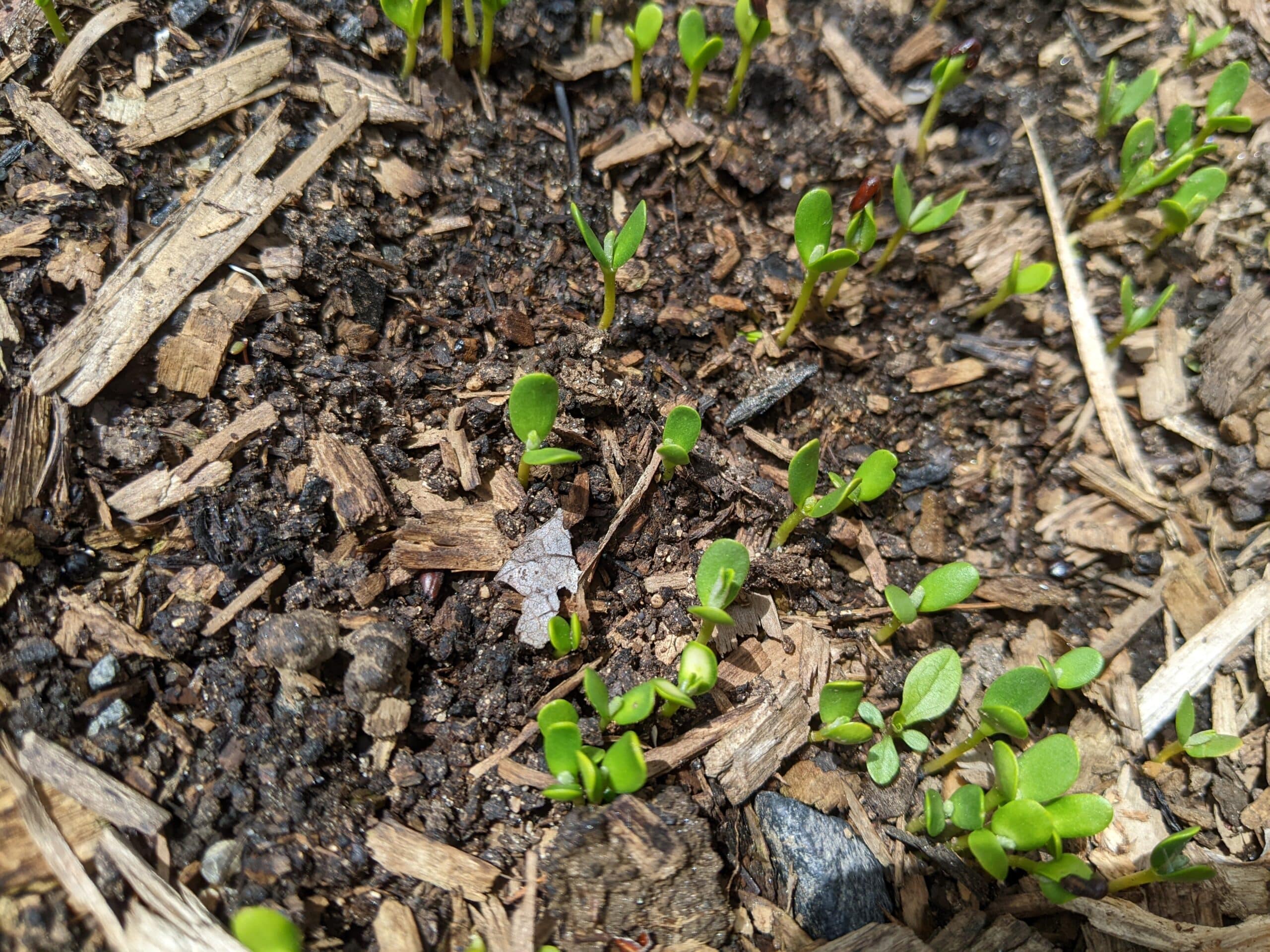
Finally, let’s examine some propagation techniques that will make this all possible:
Seeds
Seeds are a cost-effective way to grow plants, but they require understanding:
- Dormancy: Some seeds have hard coats or internal mechanisms that prevent immediate germination. Learn about the specific dormancy requirements of your chosen species, such as cold stratification or scarification, to ensure successful germination.
- Timing: Plant seeds at the optimal time for your climate and species. Some seeds are best sown in the fall to mimic natural cycles, while others thrive when started indoors in early spring.
- Protection: Shield seedlings from pests like rodents and insects with protective covers or natural repellents. Ensure young plants receive adequate sunlight, water, and nutrients during their vulnerable stages.

Grafting
Grafting combines the root system of one plant with the desirable traits of another. It’s a powerful tool for:
- Accelerating Fruit Production: Grafted plants often produce fruit years earlier than those grown from seed. This is especially beneficial for fruit trees that take a long time to mature.
- Space Efficiency: Create multi-graft trees with several fruit varieties on one rootstock, maximizing production in limited spaces. This method also allows you to grow complementary pollinator varieties on a single tree.
- Superior genetics:The quickest way to get superior genetics onto your landscape is by grafting! If you already have wild apples growing on your land, for example, you can have a robust tree growing roxbury russet or ashmead’s kernel, or whatever you want, in just 2-3 years.
Cuttings
Cuttings involve propagating plants from stems, leaves, or roots. For best results:
- Rooting Hormones: Not necessary for easy to root species, but helpful for others.
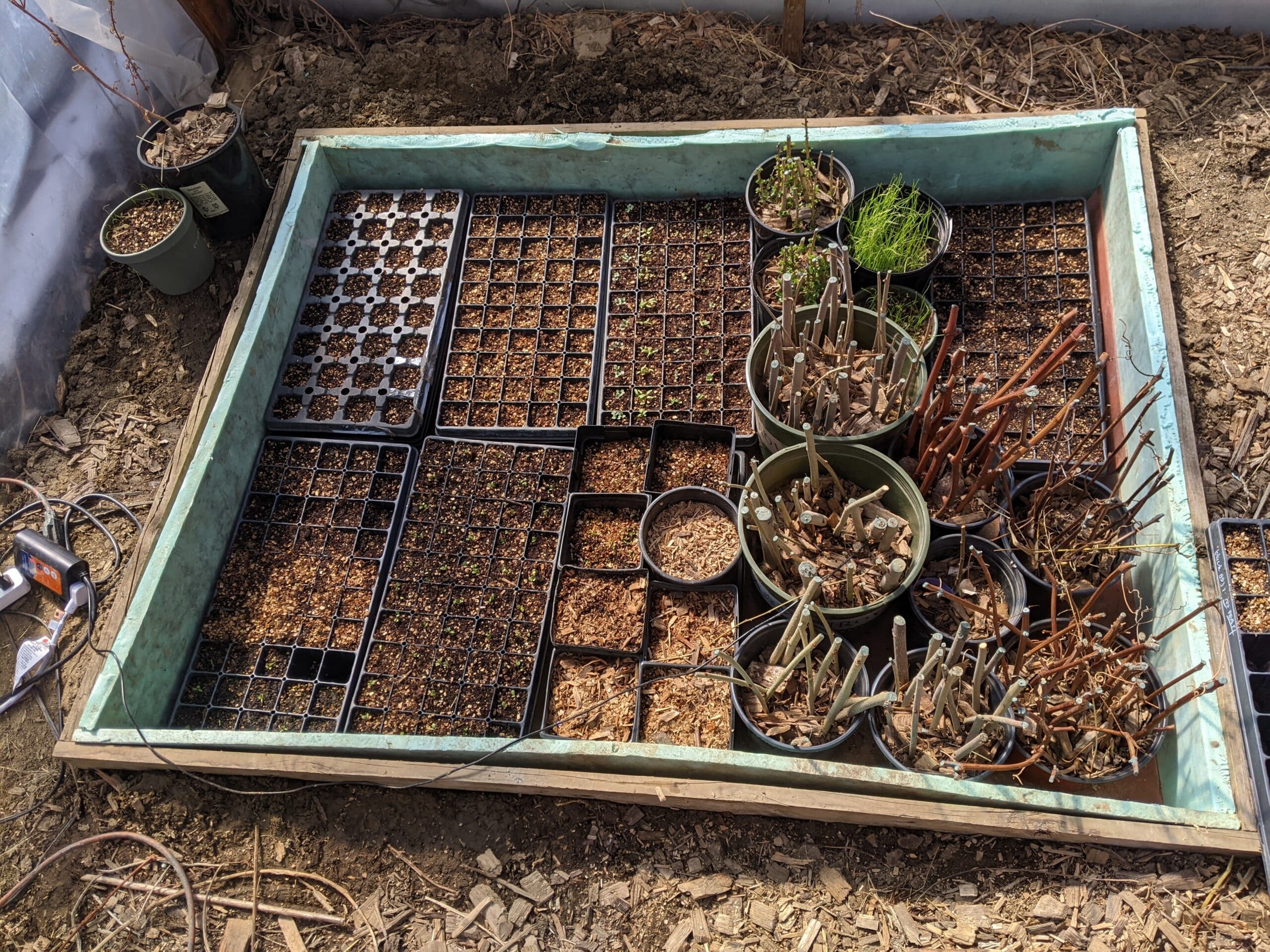
- Controlled Environment: Maintain consistent humidity and warmth using a misting system or enclosed propagation chamber. Bottom heat can also expedite root formation in certain species.
- Aftercare: Gradually acclimate rooted cuttings to outdoor conditions to prevent transplant shock. Keep them in a shaded, protected area before moving them to their final location.
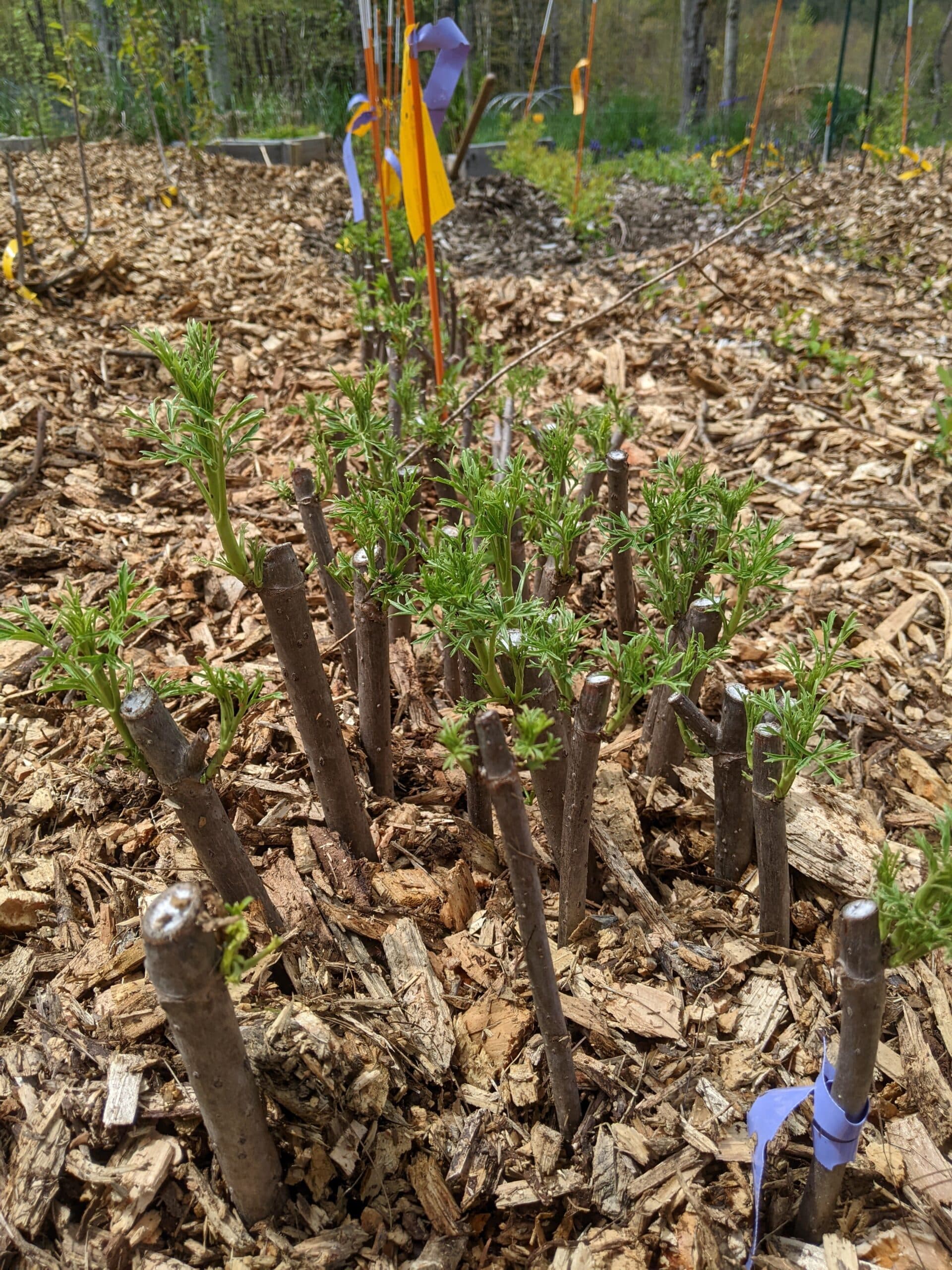
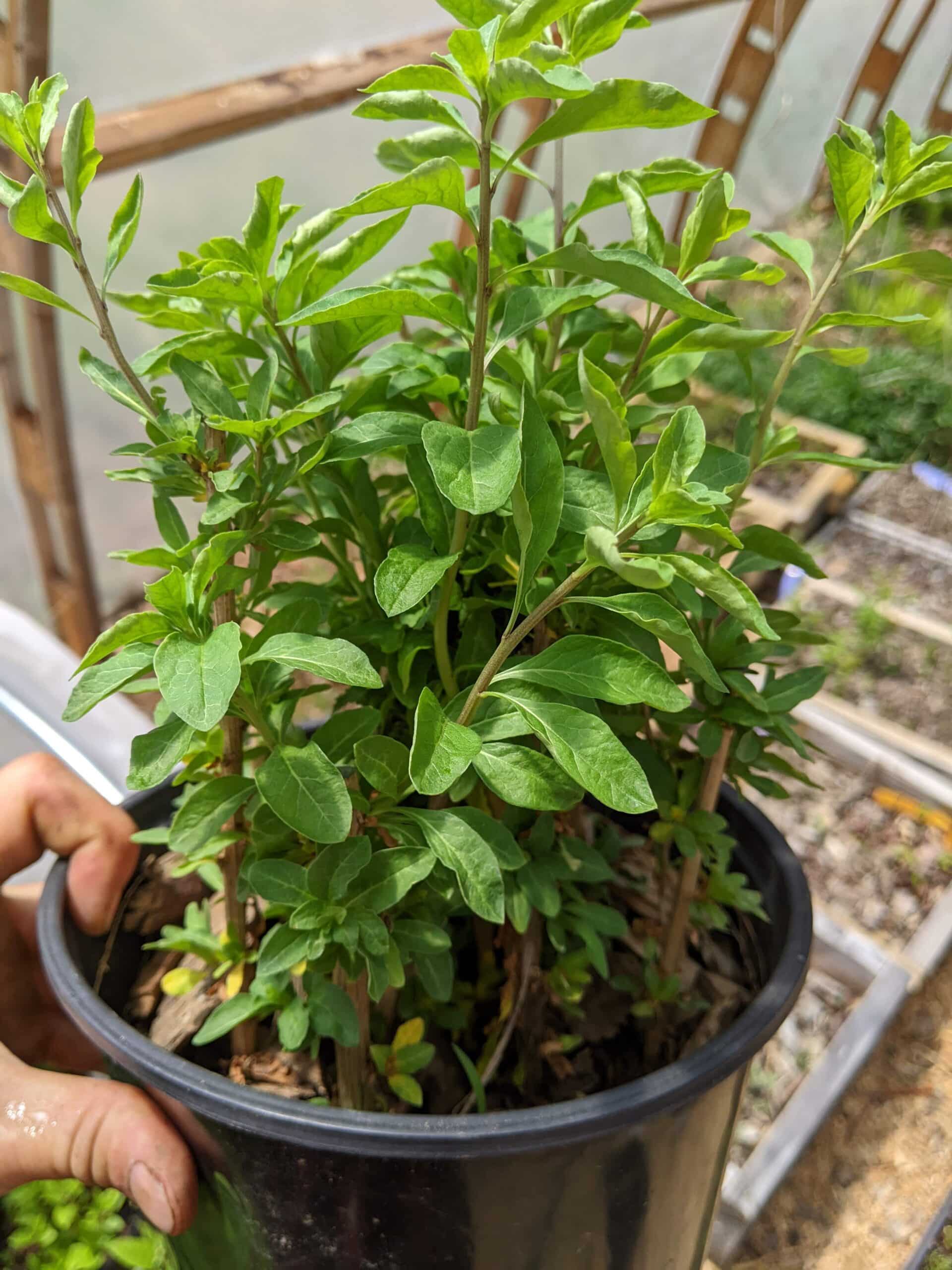
- Cuttings are different for every species. It’s beyond the scope of this article, but you just have to learn it through experience. Some easy ones to start out with are elderberry, willows, currants, goji, some mulberries, honeyberries, figs. Michael Dirr’s book “The Reference Manual of Woody Plant Propagation” is a great resource for learning about cutting propagation.
Layering
Layering involves rooting a branch while it’s still attached to the parent plant. Types include tip layering, mound layering, and air layering. This method is particularly effective for species that are difficult to propagate by other means. Many vining species can be layered effectively. You can use mound layering to propagate clonal apple rootstocks. You can use mound layering for hazelnuts. Some species root quickly while some will take 2 years or more before you can divide them.
Division
Division separates plants into smaller units, each with its roots. This method works well for herbaceous perennials and certain shrubs. To divide a plant, carefully dig it up, separate the root clumps with a sharp knife or spade, and replant the sections in prepared soil.
Staying Organized
Organization is crucial for successful plant propagation. Tips include:
- Labeling: Use durable labels, such as vinyl or metal, to identify plants. Reuse soda cans for aluminum tags or purchase professional-grade labels to ensure longevity.
- Note-Taking: Keep detailed records of planting dates, propagation methods, and growth progress. This helps track successes and refine techniques over time. This is actually probably the most important piece of advice in this article and is the one we’re most likely to ignore, for some reason. Since this is a seasonal pursuit, and we usually only get 1 or 2 repetitions for each skill per year, note taking is essential for improving. You think you’ll remember when you took those goumi cuttings, or when you sowed those seaberry seeds, but you won’t. Trust me, you won’t! Write it down!!
- Layout Planning: Design accessible pathways and group plants by type or purpose to make tending and harvesting easier. Consider using fiberglass stakes to mark rows and sections clearly. If you can’t see it, you can’t tend to it! And if you can’t tend to it, it will tend to disappear.
Conclusion
Building a food forest is a long-term proposition, no matter if you take the slow way and do it for free, or expedite it by ordering your plants from a nursery. Regardless, learning propagation skills will be invaluable in adding new varieties and maintaining your plant populations over time. There is so much that you can do with some knowledge, work, and time. The world is already bursting with plant life, and our job as plant people is simply to guide that growth to suit our needs and the needs of others. I hope this article helps you in your journey and saves you some time and money.
—Davis